01The system behind the project
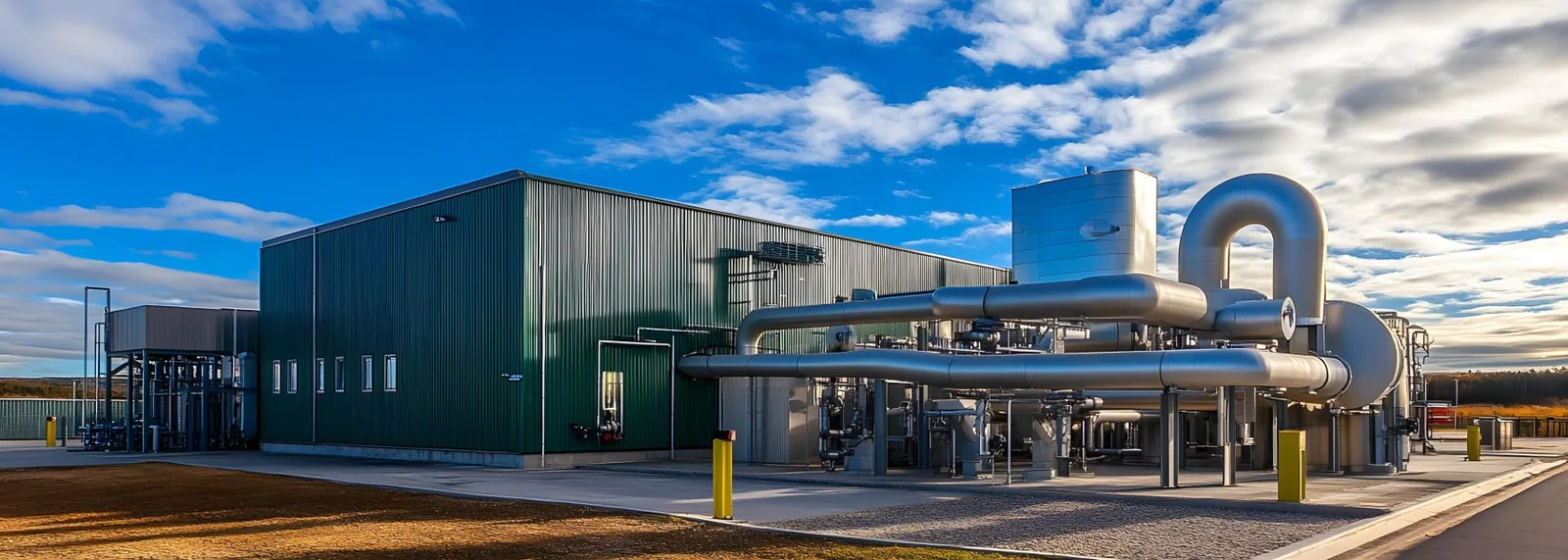
The preliminary biogas proposal links urban wastewater activity with organic resources from the surrounding district. On a two-hectare site in Novopilska territory, it envisages anaerobic digestion and combined heat and power rated at 1 MWe and 1.9 MWth. The concept is regionally functional because feedstock, energy use and nutrient management can connect city and rural operators; no agglomeration-wide contract is evidenced. The missing foundation is a verified feedstock ledger showing quantity, composition, seasonality, ownership and delivery obligations for every proposed organic stream.
02How the intervention works
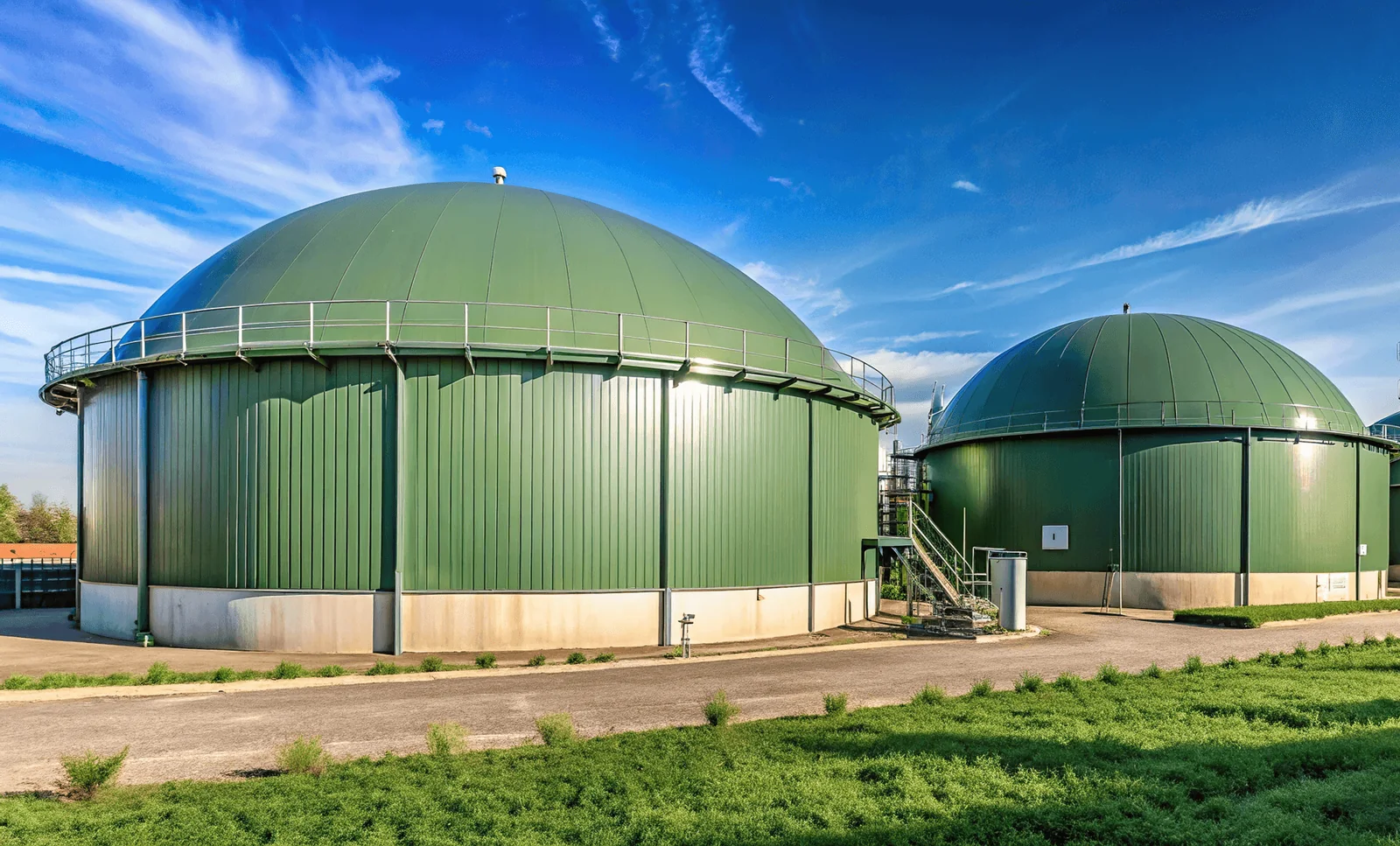
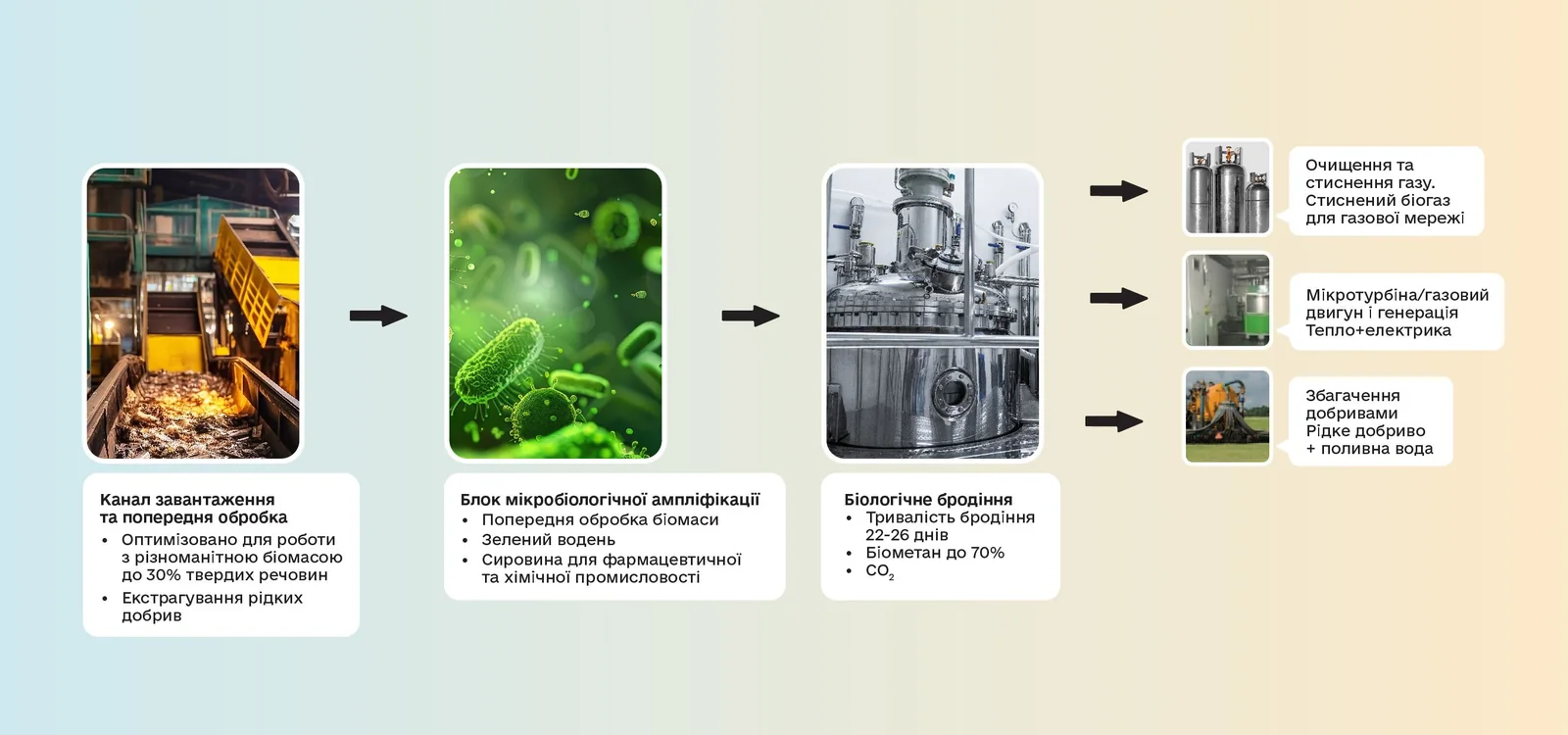
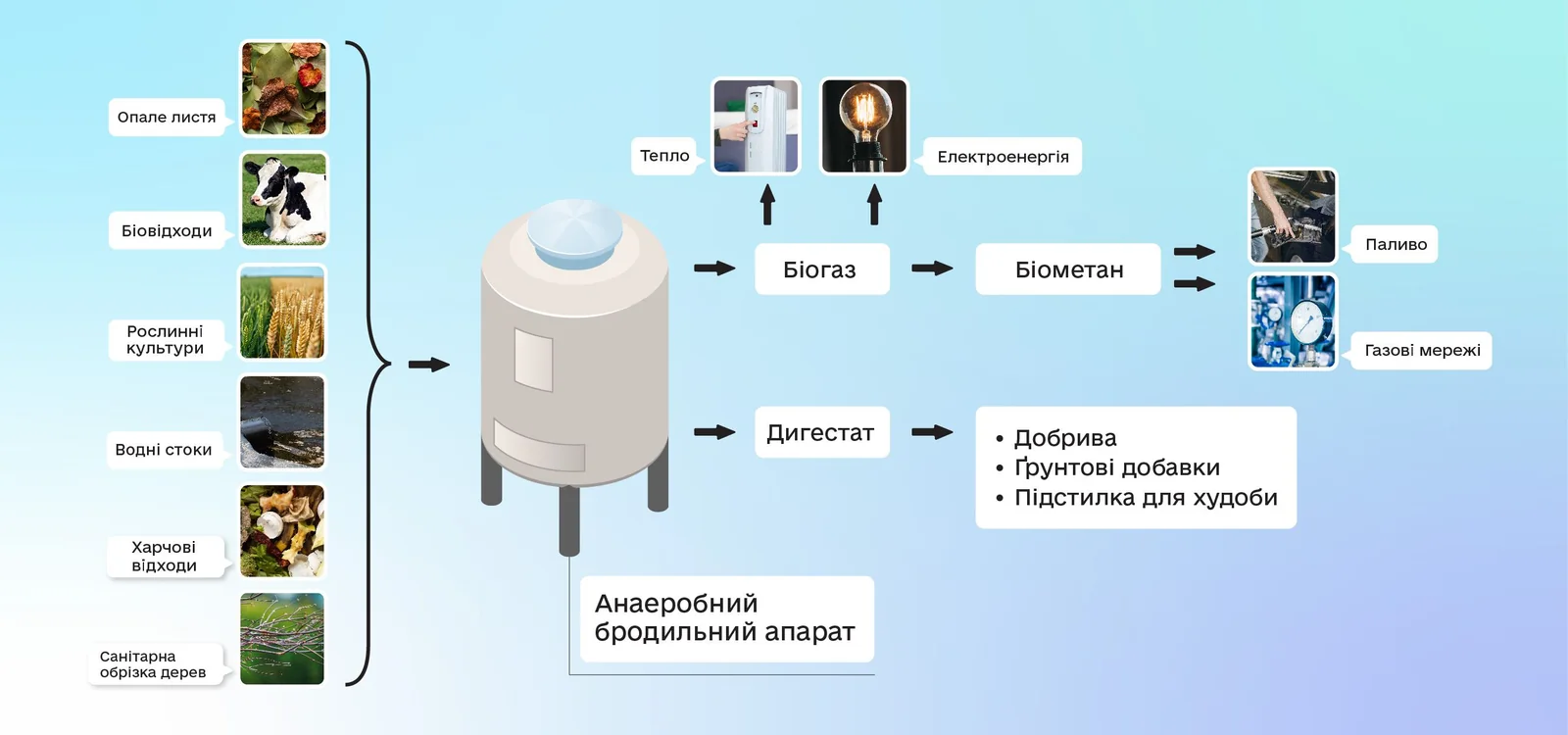
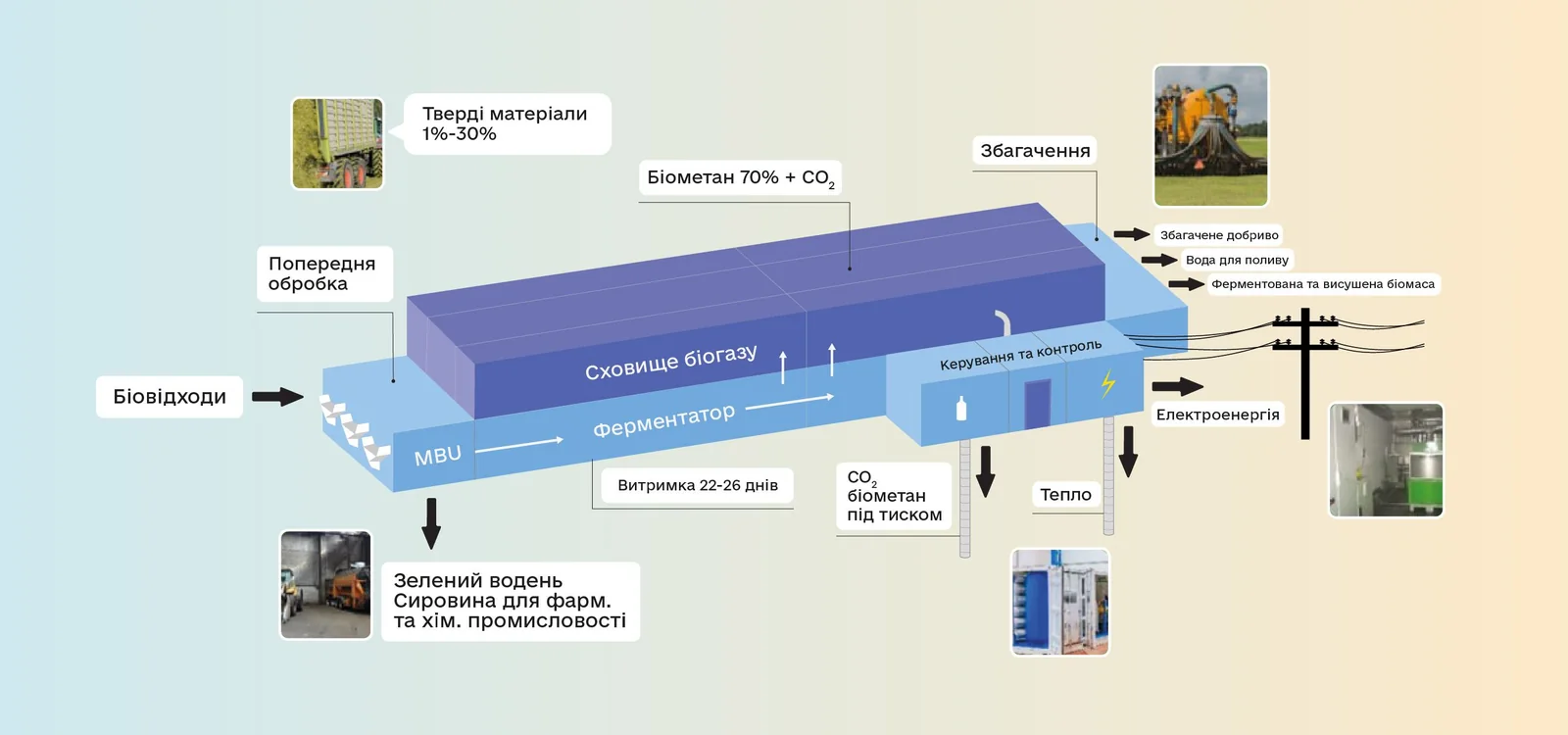
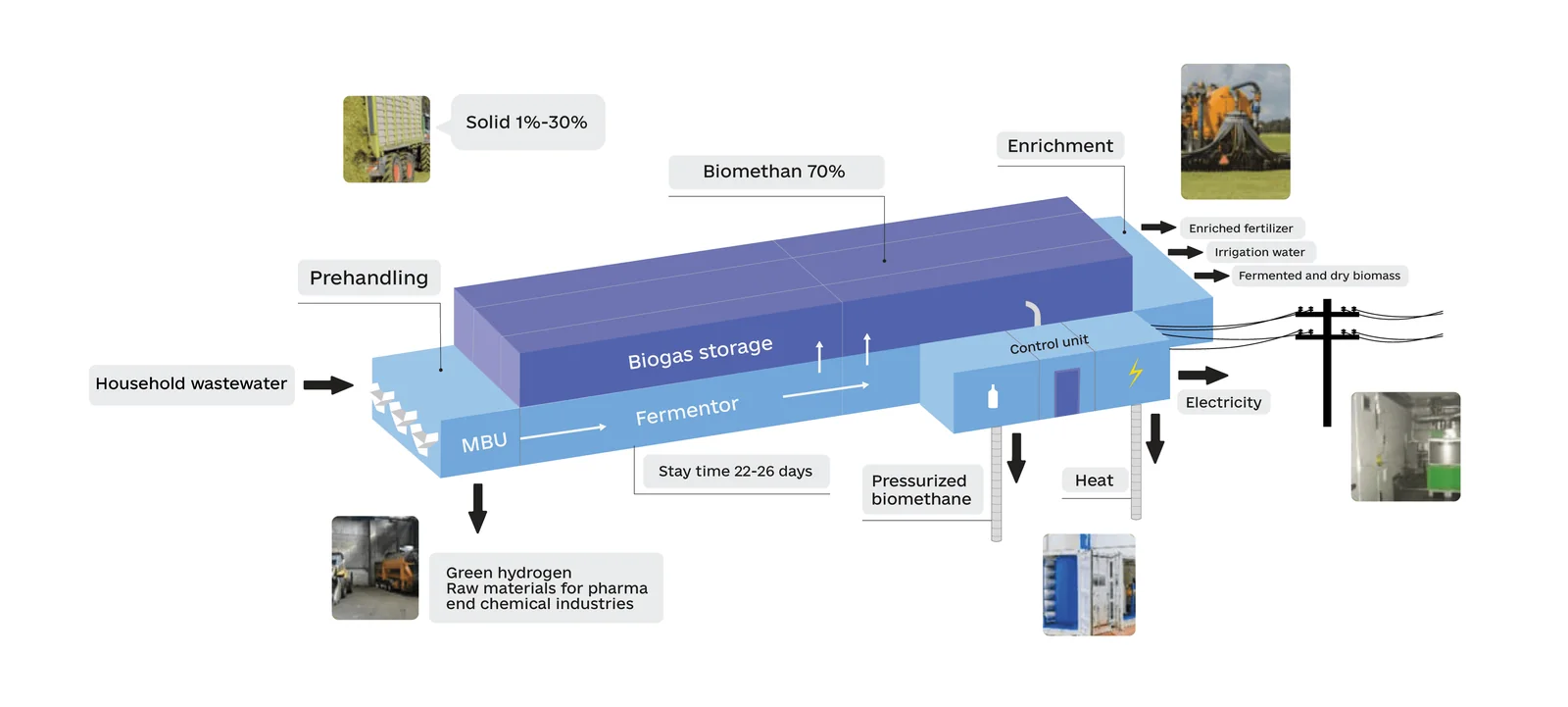
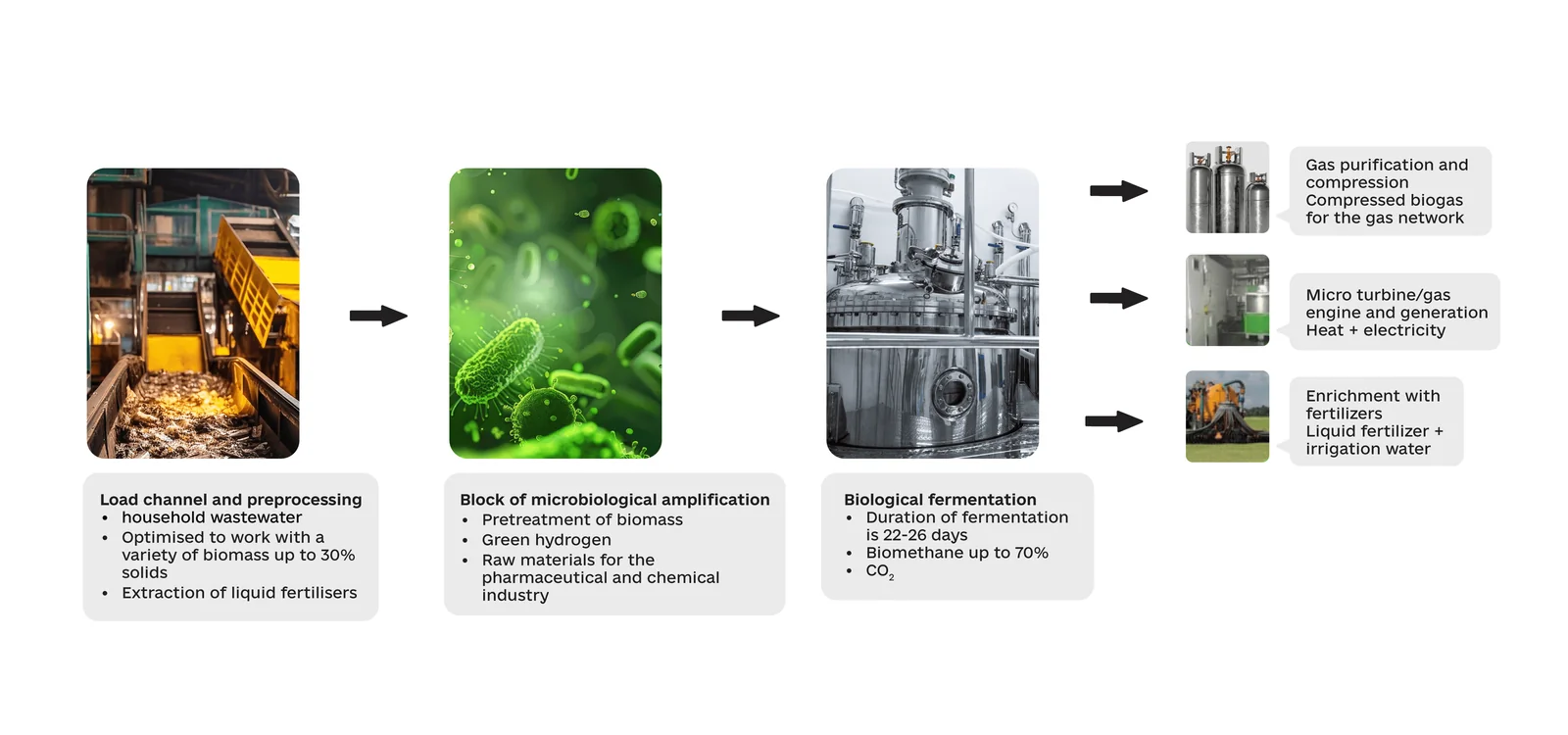
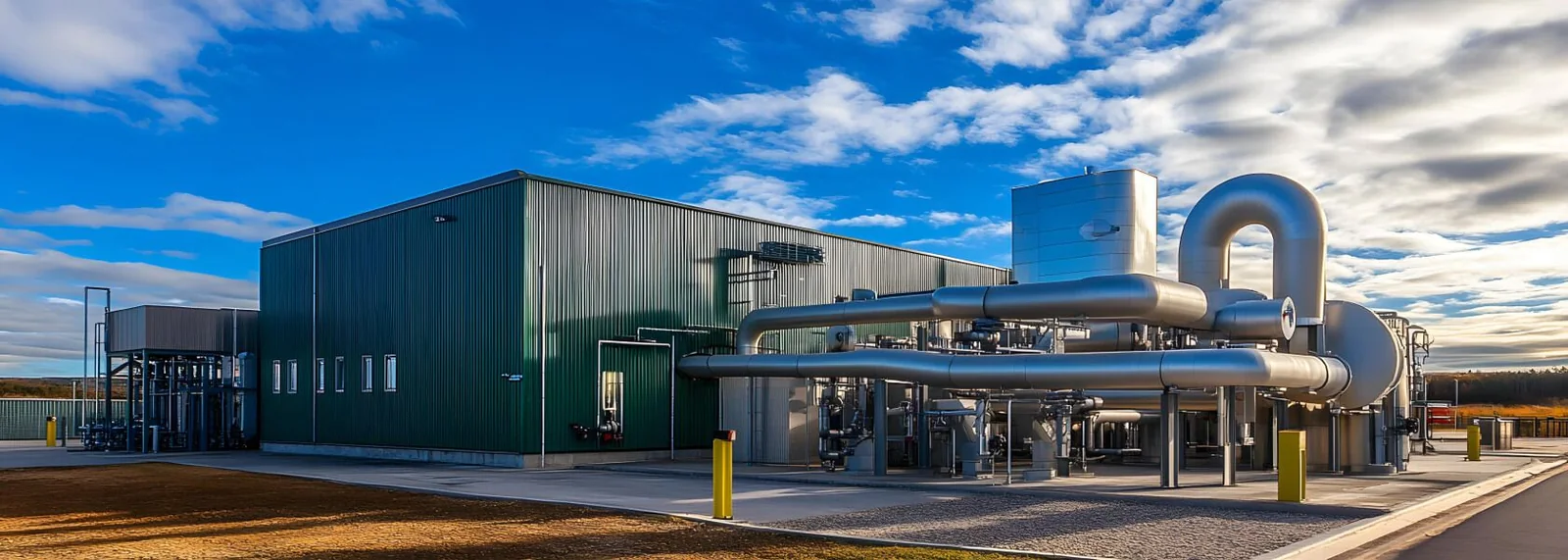
The plant should integrate feedstock reception, weighing, contamination removal, storage and blending with controlled anaerobic digestion, gas collection, conditioning and storage. Biogas then feeds CHP equipment, while usable electricity and heat require defined connections and customers. Digestate separation, storage, testing and lawful use or disposal form part of the same mass balance. Odour extraction, leachate capture, hygienisation where required, fire and explosion protection, methane-leak detection, emergency flare capacity and process monitoring are essential. The stated reactor and gas-storage volumes must reconcile with retention time, feedstock characteristics and safe operating envelopes.
03From concept to an operable asset
Delivery must start with a sampled feedstock inventory and conditional supply agreements, then confirm the site, grid connection, heat demand, digestate route and environmental baseline. A bankable mass and energy balance should drive permitting, basic design and procurement rather than follow equipment selection. Civil works, digestion, gas handling, CHP, utilities and control systems need coordinated interface tests. Commissioning should use staged biological loading, methane and odour monitoring, performance tests and operator training. Forecast generation, carbon reduction and payback remain model outputs until measured operation; preliminary development does not evidence financing, permits, construction or contracted sales.
04What must be proven before commitment
Project due diligence must verify site title and planning, feedstock ownership, binding quantities, contamination limits, seasonality, transport radius and fallback arrangements. Independent reviewers should challenge the mass and energy balance, biological assumptions, parasitic consumption, methane leakage, heat utilisation, grid terms and digestate nutrient or contaminant profile. Environmental assessment, odour dispersion, traffic, water use, fire safety, community impacts and operator competence need documented controls. Capital and operating costs, revenues, carbon-accounting method, sensitivity to lower gas yield and the stated payback forecast must be tested before any financing decision.
05Where a partner can create value
Required partners include wastewater and agricultural feedstock owners able to provide sampled, traceable streams under enforceable quality rules; logistics operators equipped for sealed transport; and an anaerobic-digestion EPC team with comparable mixed-feedstock references. CHP, gas-cleaning, storage, flare, instrumentation and safety suppliers must guarantee integrated performance and service support. Accredited laboratories, agronomists and digestate managers should establish safe nutrient routes. Grid and heat specialists, environmental and odour modellers, fire and explosion engineers, independent commissioning advisers and project financiers experienced in bioenergy are needed. Every partner must accept transparent measurement of input, methane losses, output and residues.