01The system behind the project
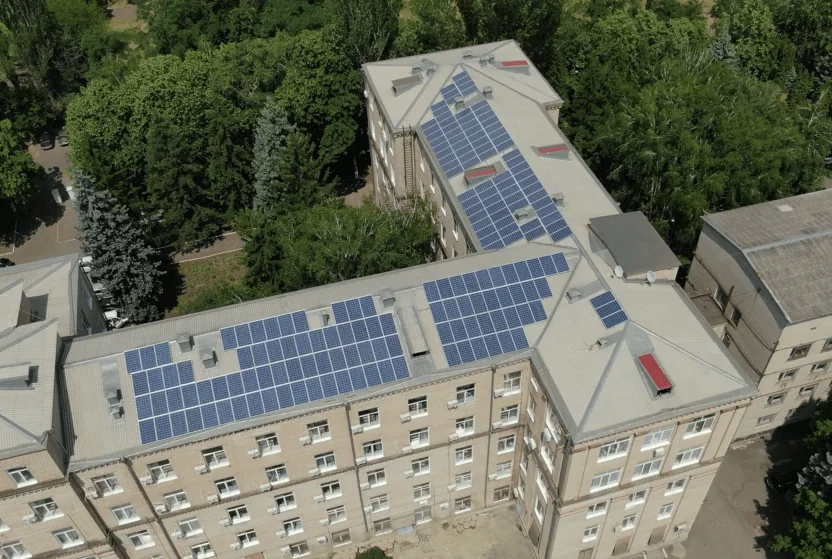
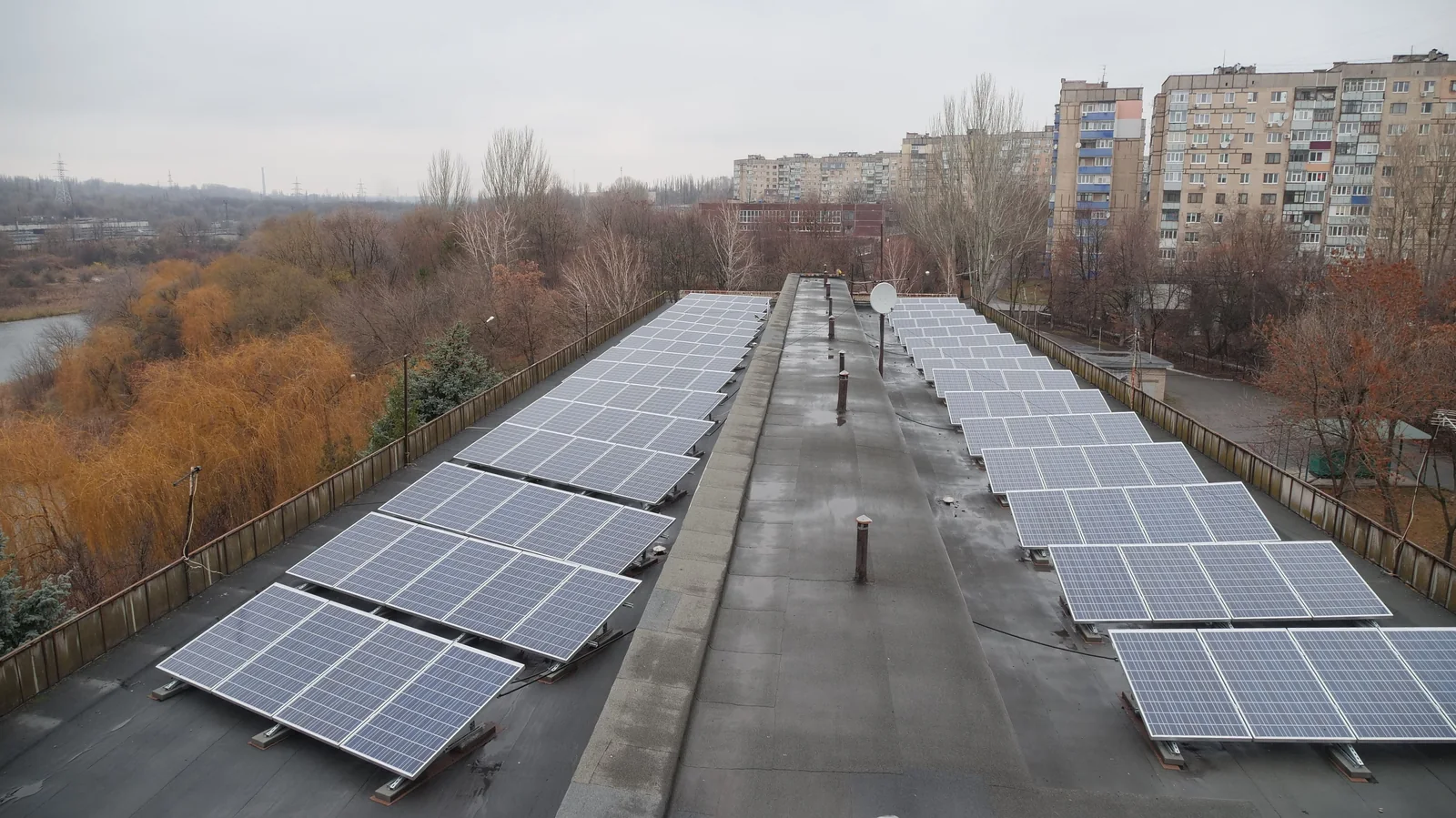
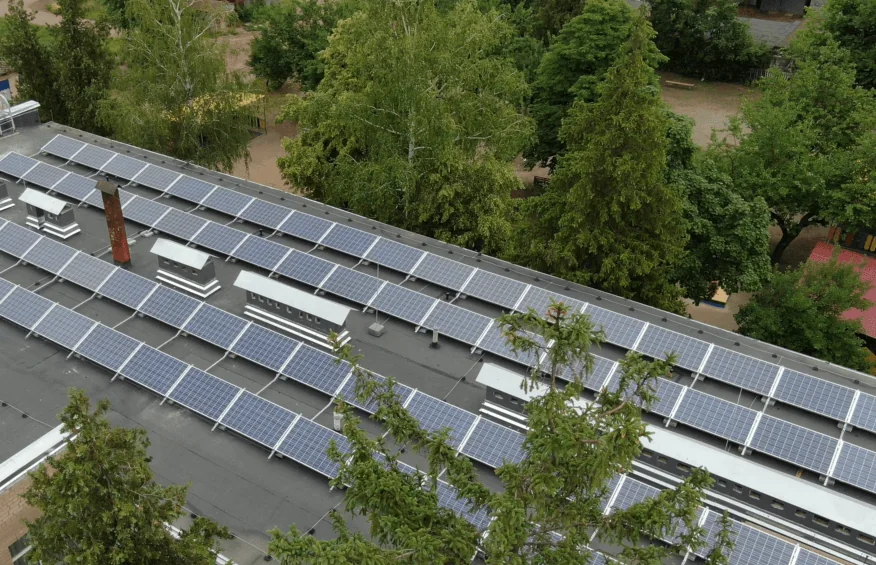
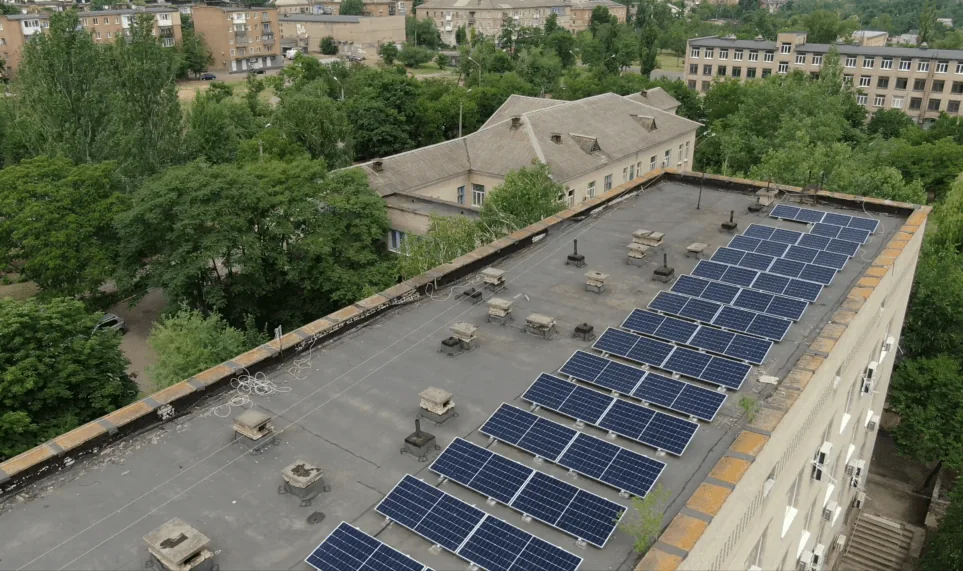
A competitively procured portfolio can finance on-site solar and storage through independently verified savings rather than upfront municipal capital. Public assets face high electricity costs but differ widely in loads, roofs and risk. The contract model could become a shared tool for member communities, but no intermunicipal programme is yet established. The investment unit is the portfolio, because bundling sites can spread roof, load and construction risk while making transaction costs proportionate. Public ownership and service continuity remain site-specific, and the model creates no shared agglomeration authority.
02How the intervention works
Audits, transparent procurement, measured baselines and performance contracts turn separate sites into an investable portfolio while protecting public value. The supervisory layer must reconcile inverter, battery, meter and building-controller timestamps so savings and availability remain auditable at each individual site. Each site needs an interval-load baseline, roof and structural survey, electrical single-line review, solar-yield model, storage dispatch case and metering boundary. The portfolio layer must preserve site-level data while aggregating guaranteed savings, availability, degradation, export limits and maintenance obligations.
03From concept to an operable asset
Screen sites against load, roof, tenure and connection constraints; audit shortlisted assets; form balanced bundles; and tender a performance contract with comparable baselines and risk allocation. Construction and commissioning remain site-gated. Independent M&V then reconciles weather, occupancy, tariffs and outages before savings are shared. The source does not evidence completed portfolio rollout. Pilot evidence should be separated from portfolio forecasts, and every site must retain its own approved baseline, meter map and acceptance record.
04What must be proven before commitment
Due diligence for the ESCO portfolio must verify baseline periods, interval data, tariff treatment, occupancy adjustments, roof rights, grid conditions, permits, equipment warranties and the legal authority to commit public assets. It must test savings allocation, lender security, early termination, underperformance remedies, battery replacement and residual ownership under downside scenarios. Approval requires a downside case in which tariffs, occupancy and solar yield change while public savings and service continuity remain protected.
05Where a partner can create value
The portfolio needs accredited energy auditors, IPMVP-capable M&V professionals, solar and battery EPC contractors, an ESCO able to finance and guarantee performance, public-procurement and contract counsel, insurers, lenders and facility operators. Each must support open-book pricing, interoperable meters, commissioning records, lifecycle service and enforceable remedies. The ESCO must hold integration risk across design, finance and performance while independent measurement remains contractually separate and data-accessible to the public owner. Facility operators need authority to report operational changes promptly because unrecorded schedules or closures can corrupt the baseline and payment calculation.