01The system behind the project
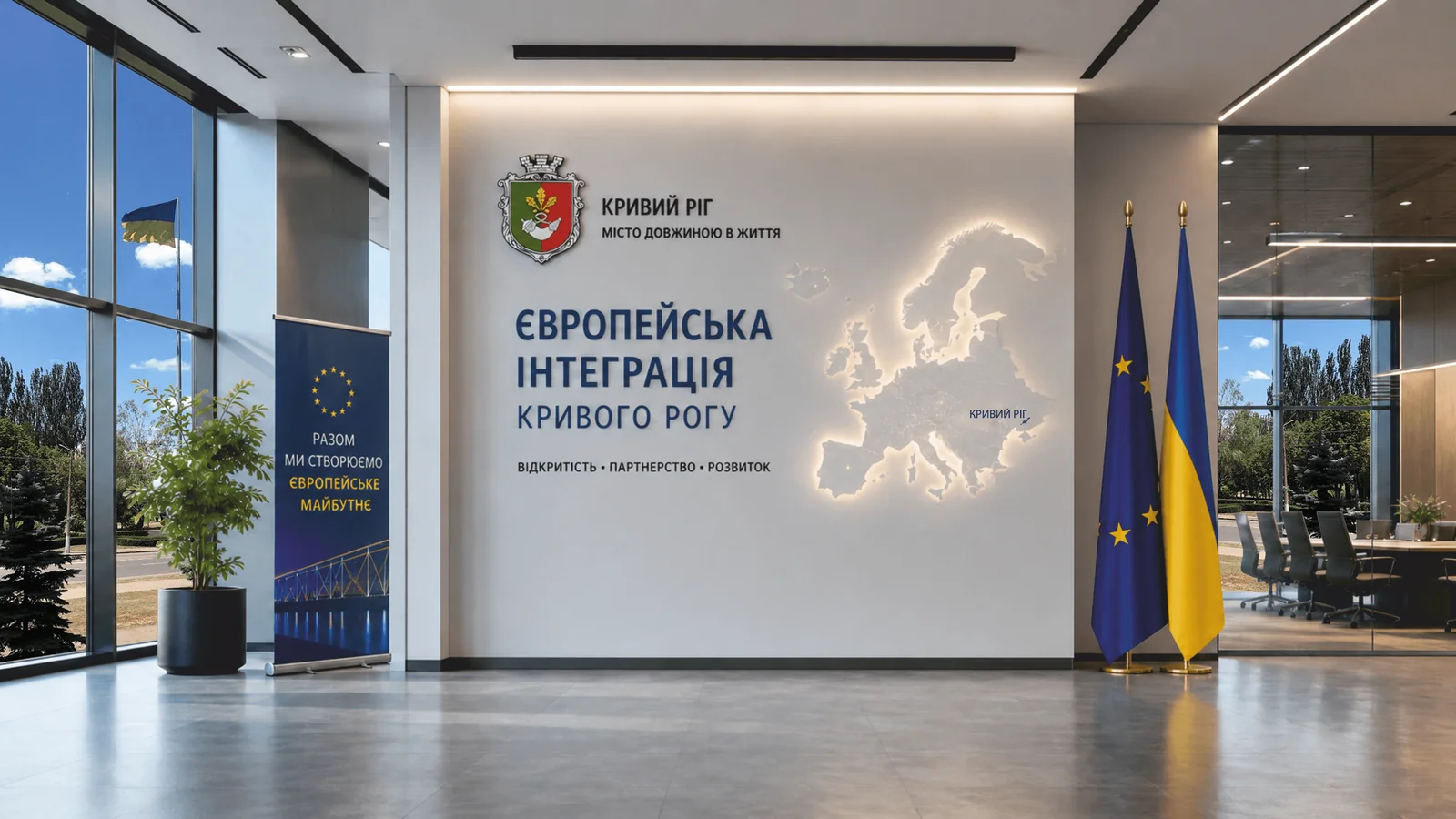
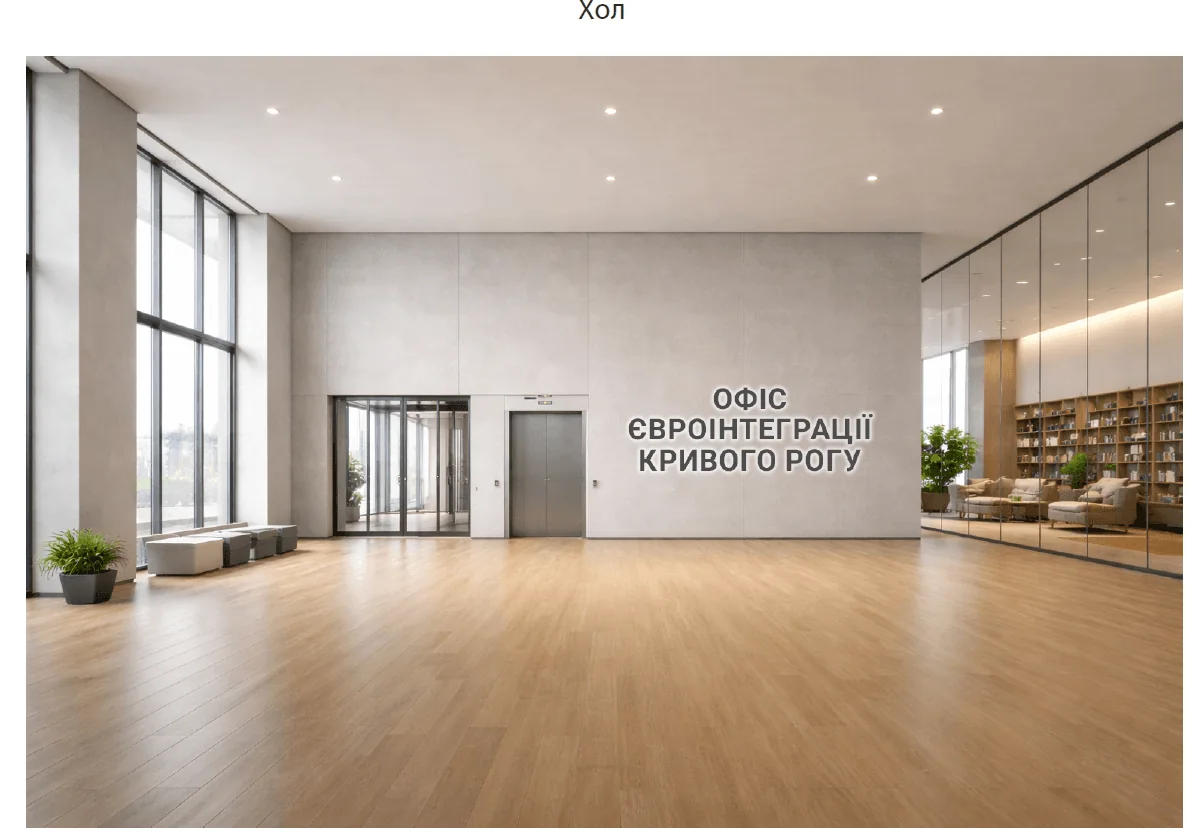
The planned office would coordinate EU programmes, international partnerships, grant preparation and institutional learning for Kryvyi Rih and partner communities, creating a structured project pipeline rather than guaranteeing external funding. Fragmented project preparation can weaken access to international opportunities. The source explicitly envisages joint projects with communities of Kryvyi Rih district; formal participation and governance agreements remain to be established. The office is an institutional capacity project, not an EU representation or accreditation. Its functional regional role depends on explicit service agreements with district communities, transparent access to support and a pipeline governed by readiness and public value rather than political preference.
02How the intervention works
The European Integration Office should operate as a governed project-development workflow linking client intake, eligibility screening, portfolio decisions, application preparation and post-award control. The operating model needs a clear mandate, client intake, eligibility screening, programme calendar, project register and stage gates from idea through concept, application and award. Standard files should cover partner checks, budgets, cofinancing, procurement, state aid, risk, indicators, document versions and audit trails. Portfolio dashboards must distinguish opportunity, submitted application, award and delivery. Every file should identify the applicable call text, authorised owner, review decision, cofinancing source and next evidence gate.
03From concept to an operable asset
Approve the charter, service catalogue, participation rules and decision rights before recruiting the multidisciplinary team. Build an initial inventory, screen it against calls and readiness, prepare a small cohort, then test quality review and partner coordination. Post-award procedures for contracting, procurement, financial claims, indicators, amendments and audit should be operational before volume increases. The concept does not guarantee grants. The source describes a planned office and does not evidence EU accreditation, approved grants, signed participation agreements or completed establishment.
04What must be proven before commitment
Due diligence for the European Integration Office must confirm legal mandate, governance, staffing plan, annual operating cost, participating-community commitments and treatment of confidential partner data. It should test applicant and cost eligibility, cofinancing capacity, procurement and state-aid obligations, exchange-rate and cash-flow exposure, audit retention, conflict rules and accountability after an award. Success measures must value compliant delivery, not application counts alone. Approval requires a service charter defining eligible clients, prioritisation, conflicts, response times and the responsibilities retained by every applicant.
05Where a partner can create value
The office needs EU programme managers, grant writers, partnership and legal specialists, financial controllers, procurement advisers, monitoring and evaluation professionals, multilingual editors and sector experts who can be assigned to individual calls. Participating communities and institutions must name authorised contacts and provide evidence on time. External reviewers should challenge eligibility, budgets and intervention logic before submission; post-award specialists must support claims, amendments and audits. Programme specialists should demonstrate successful implementation and audit closure, not only application writing, and disclose any role in evaluating or supplying projects.