01The system behind the project
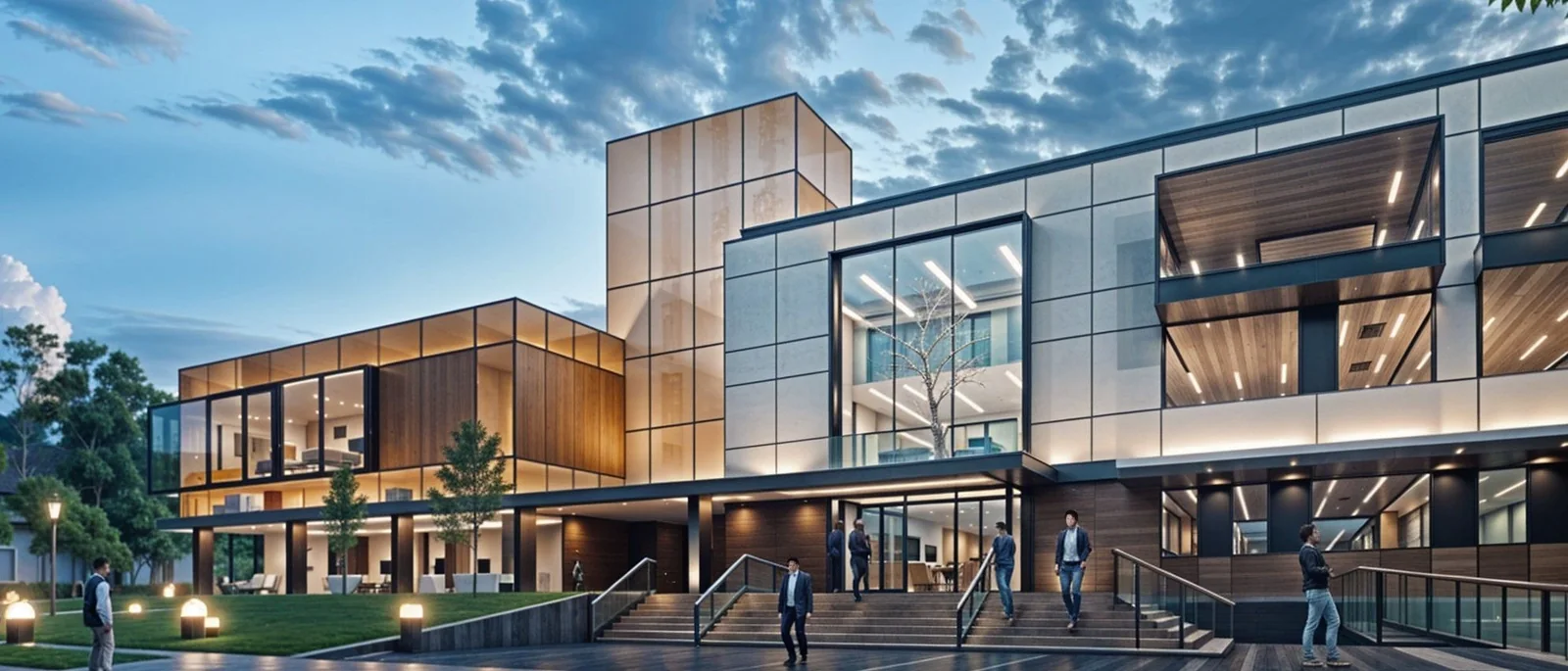
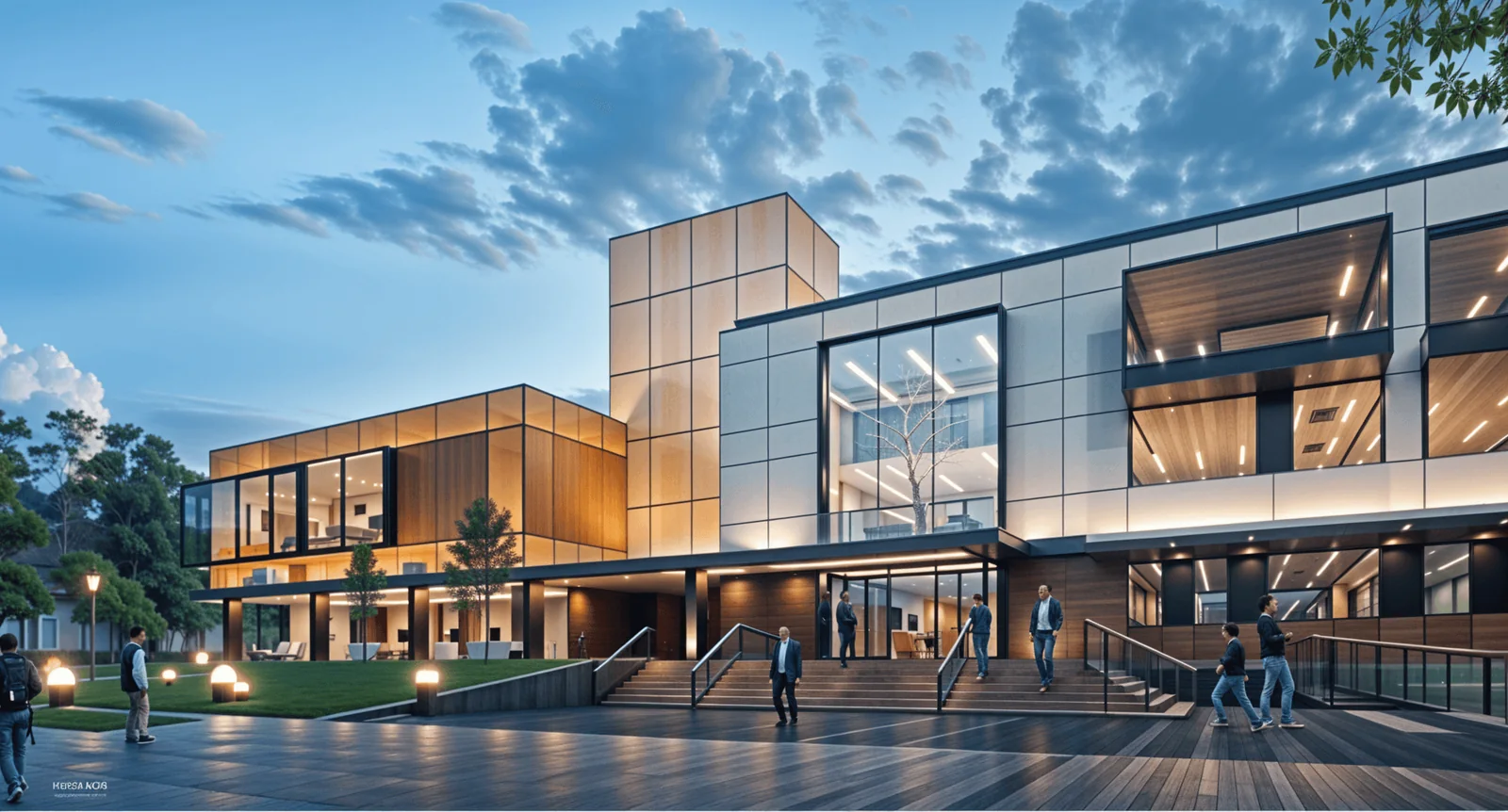
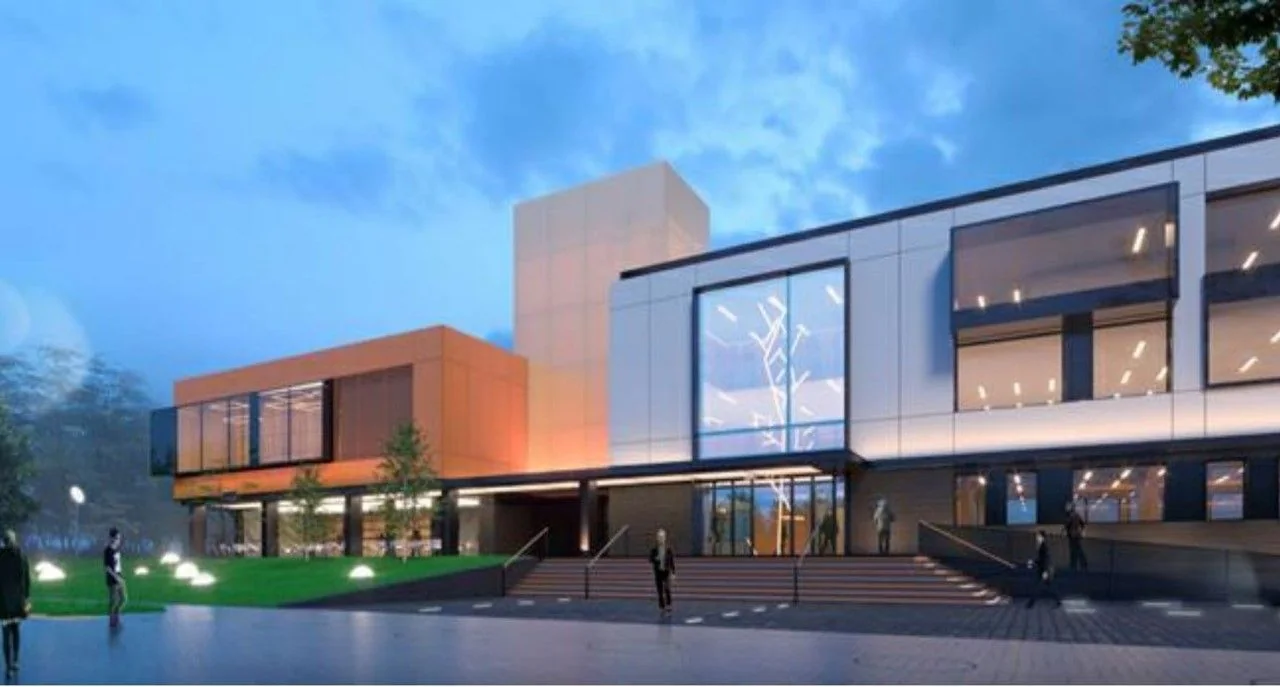
Incubation Base is a two-stage creation project. The 500 m² first-stage laboratory is described as being established and implemented; it remains in implementation and does not yet evidence a completed service. The proposed 6,270 m² second stage would add pilot validation, certification pathways and startup support, but remains a concept pending design, financing and approvals. Functionally, the future platform could serve industrial firms, universities, SMEs and communities across the agglomeration through published access rules, while ownership, governance and participation must be formally defined.
02How the intervention works
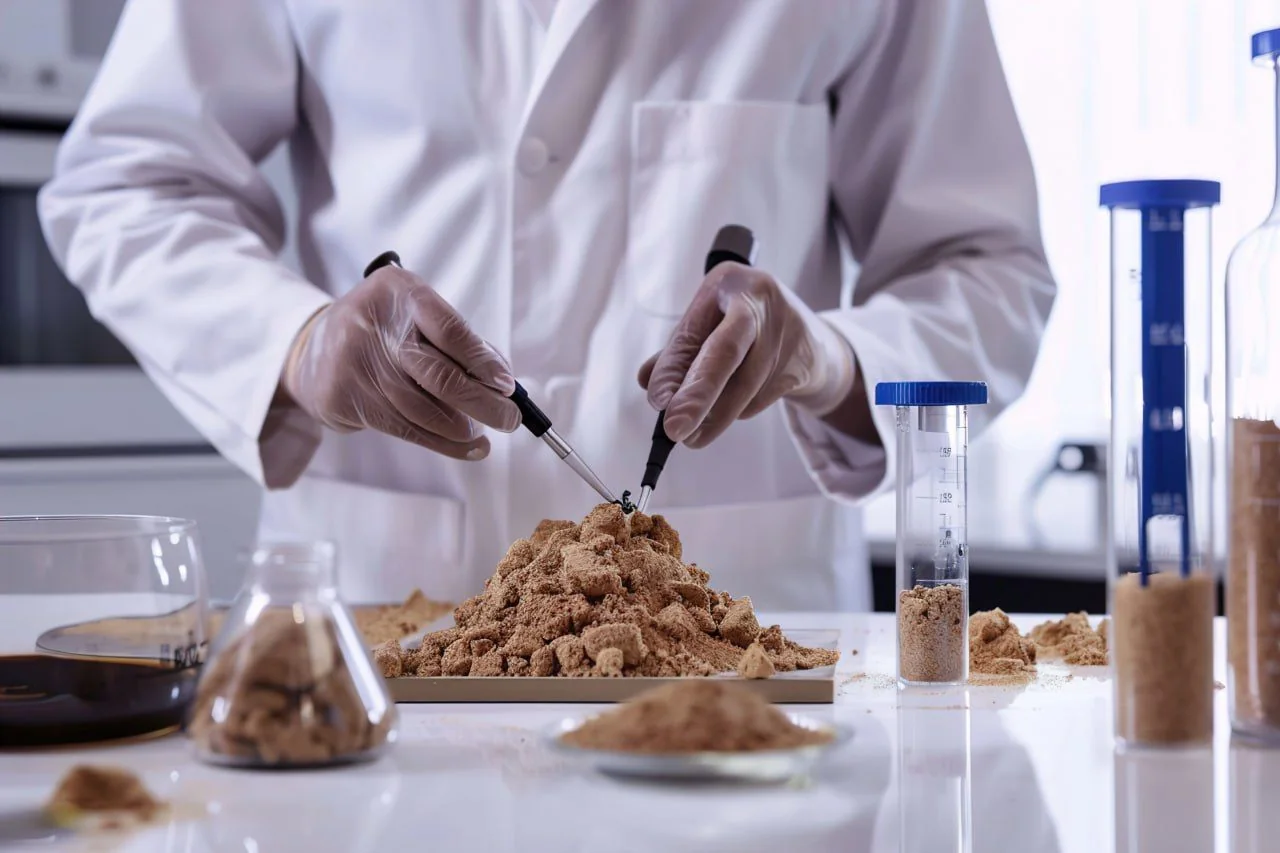
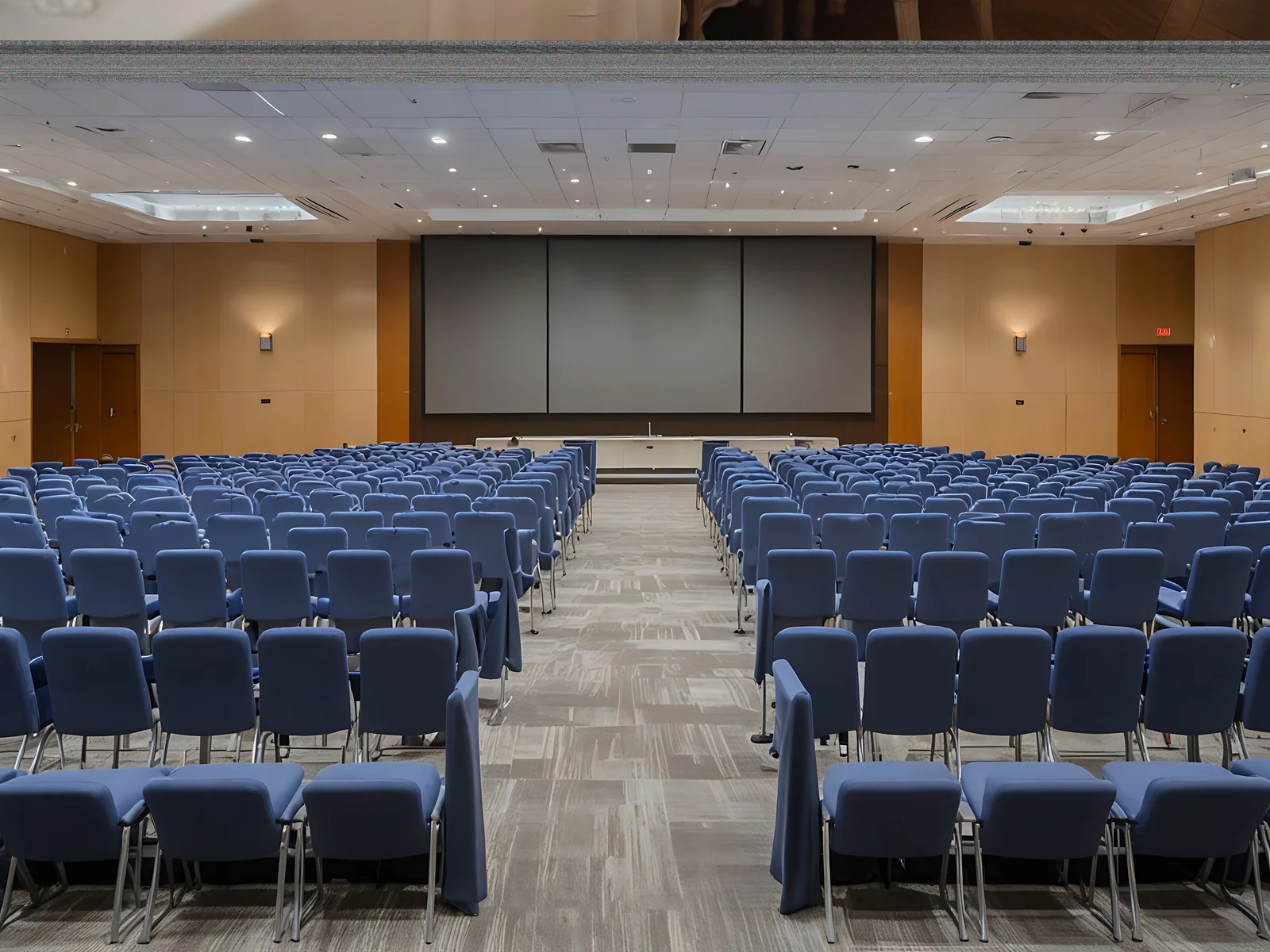
Reconstruction, equipment and an open operating model can turn research into qualified pilots and investable teams without claiming that green cement, rare earths or biogas are already produced. The facility plan must zone accredited laboratories, sample receipt and chain of custody, dirty and clean pilot bays, hazardous storage, utilities, ventilation, effluent and waste routes, shared workshops, offices and public training areas. Each tenant needs defined utility loads, contamination controls and isolation. Digital systems should manage booking, methods, calibration, samples, IP permissions and evidence from test to certification.
03From concept to an operable asset
Delivery should first complete creation of the 500 m² laboratory through fit-out, utility and safety commissioning, method validation, staffing, quality procedures and documented readiness for its declared test scope. Evidence from that implementation should confirm demand, service catalogue, tenant pipeline and operating costs before the 6,270 m² second stage advances. Stage two would proceed through reconstruction design, zoned commissioning, accreditation for defined methods and transparent tenant selection. Neither stage reaches service readiness until its facilities, methods, staff and acceptance records are complete.
04What must be proven before commitment
Due diligence for the incubator must verify building title and condition, reconstruction scope, tenant demand, laboratory accreditation route, pilot hazards, utility capacity, waste permits, insurance, staffing and long-term operating subsidy. It must test open-access pricing, conflict rules, IP and publication rights, state aid, procurement, tenant selection, equipment utilisation, revenue assumptions, forecast jobs, NPV and discounted payback without counting unqualified pipeline as committed occupancy. Every claim should identify whether it comes from the first-stage laboratory under implementation, a designed second-stage facility, a tenant pilot, a qualified product or only a forecast.
05Where a partner can create value
Required capabilities include laboratory and pilot-facility architecture, industrial ventilation and utilities, hazardous-material and waste engineering, ISO 17025 quality systems, calibration and certification pathways, incubator operations, technology transfer, IP licensing, startup finance, industrial mentoring and transparent tenant selection. An independent safety and quality function must control zoning, methods and incidents. Operators need booking, maintenance, chain-of-custody and cost-recovery systems; tenants need named technical supervisors and milestone evidence. The operator needs laboratory quality, facility safety and incubation competence together; property management alone cannot govern experimental and pilot activities.