01The system behind the project
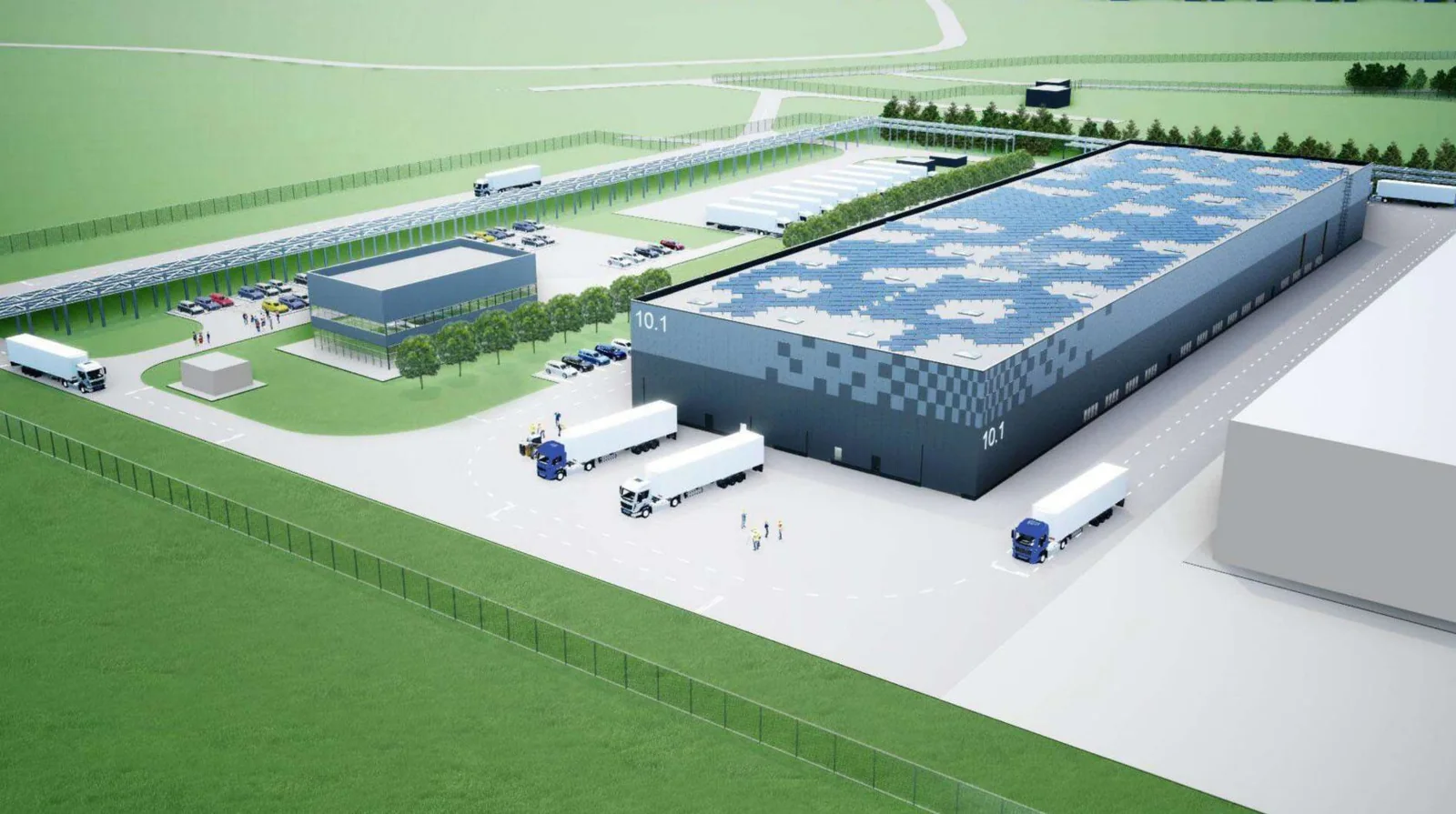
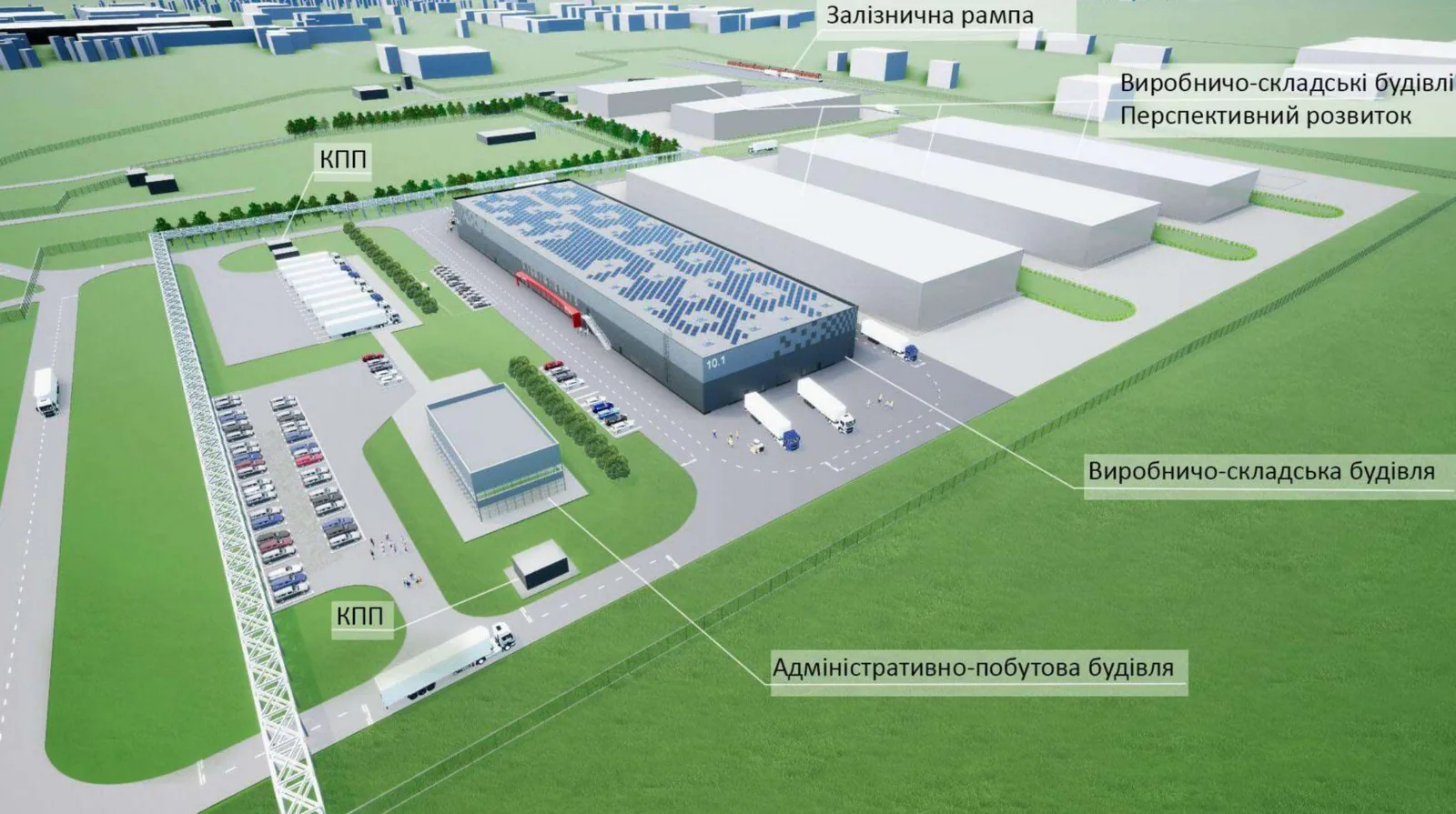
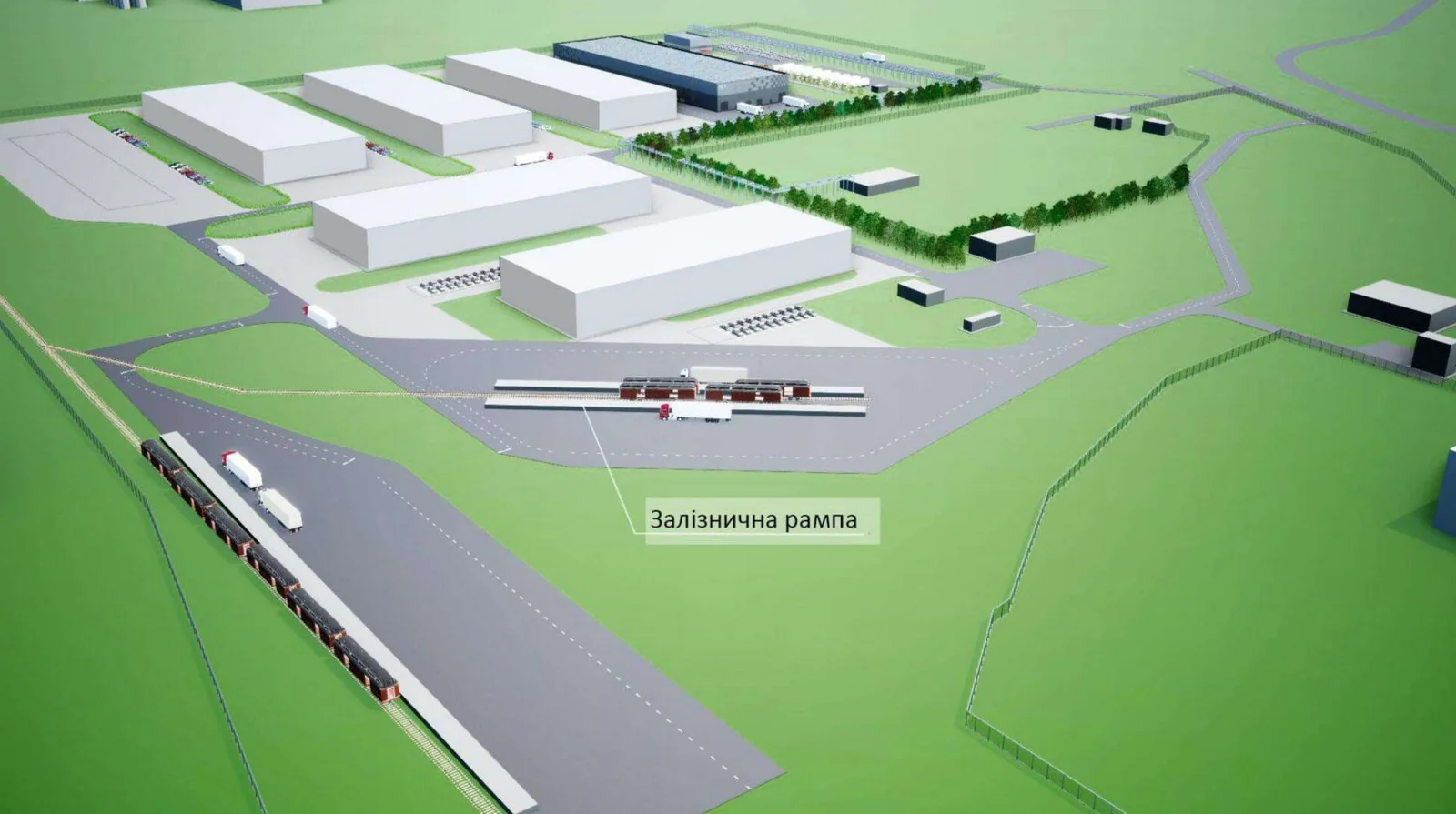
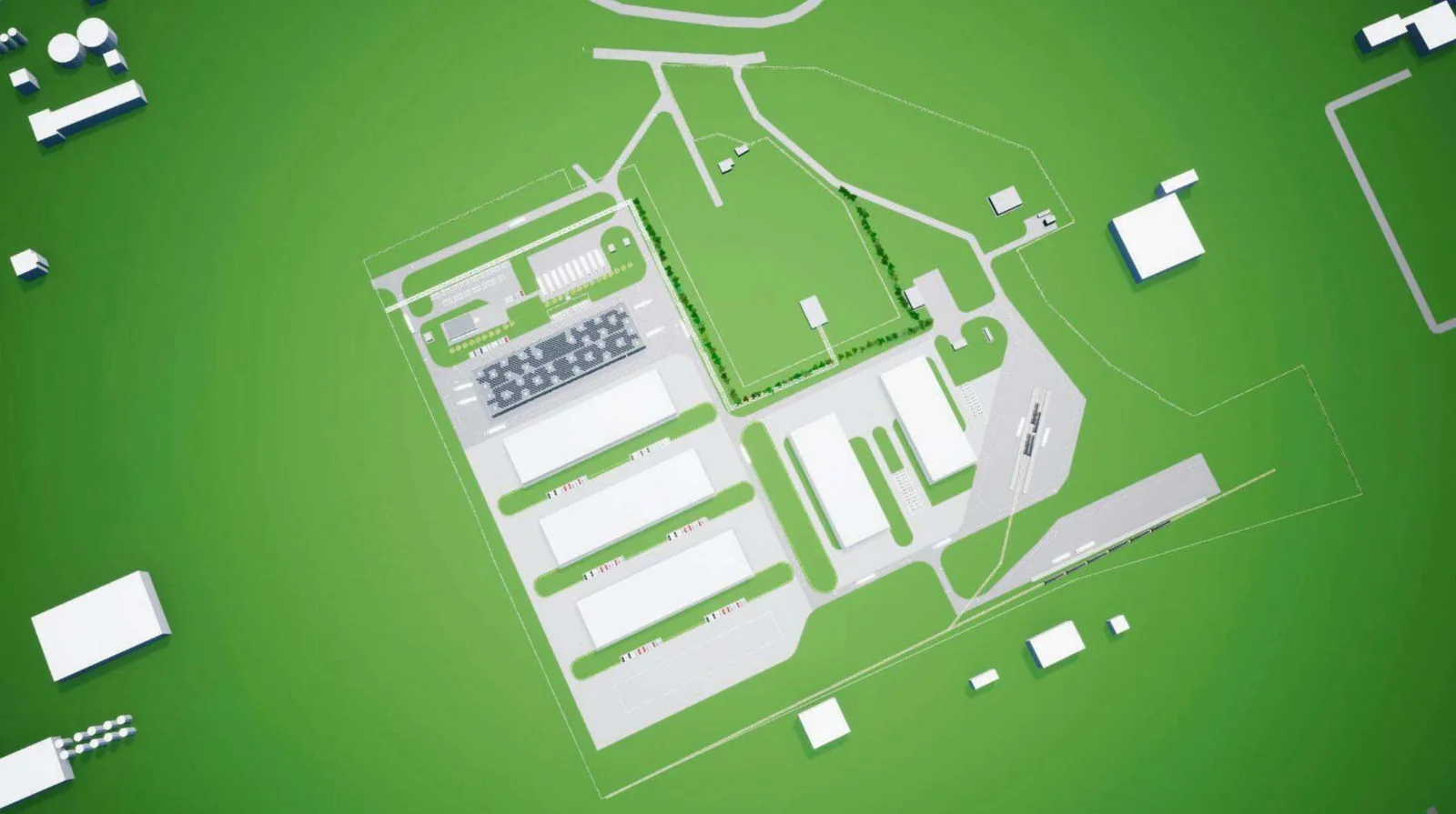
Kryvbas Industrial Park is a registered production site initiated by Kryvyi Rih City Council and managed by the municipal City Development Institution. Its immediate value is not another land listing, but a serviced entry point for manufacturers that need utilities, road and rail access, permitting support and premises. The source identifies a 26.03-hectare core with expansion potential to 73 hectares. Functionally, the park can serve the agglomeration’s labour, supplier and research catchment, while ownership and formal management remain exactly with the named city institutions.
02How the intervention works
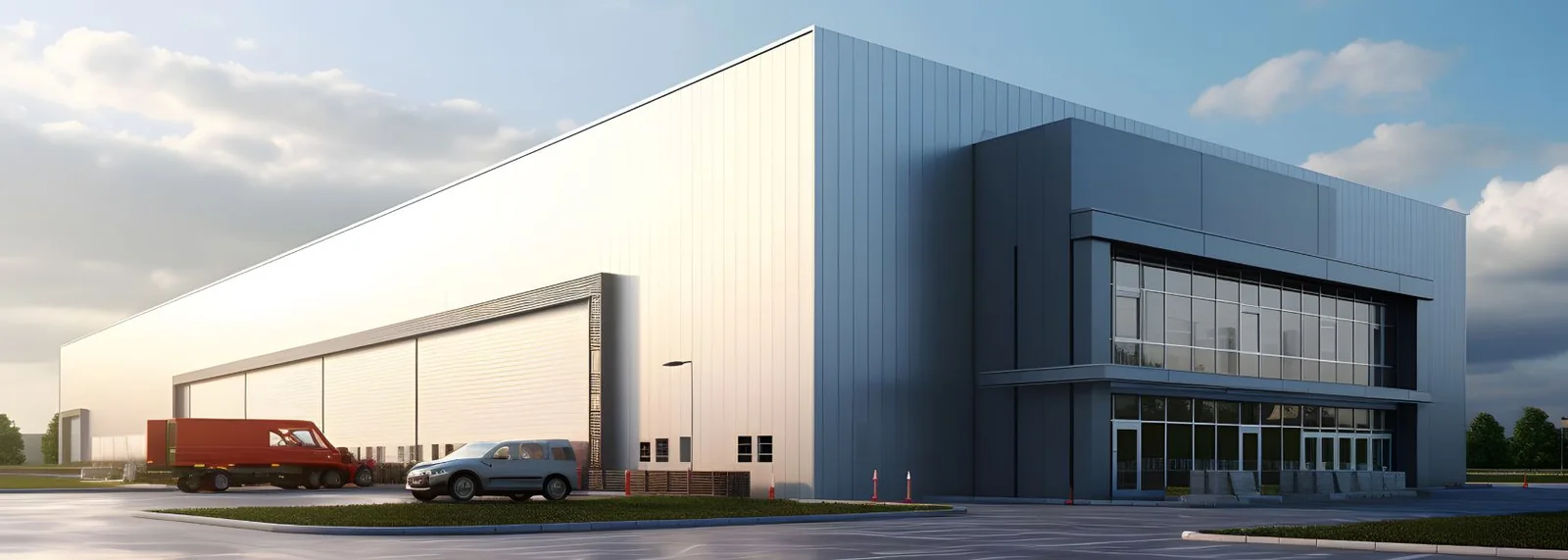
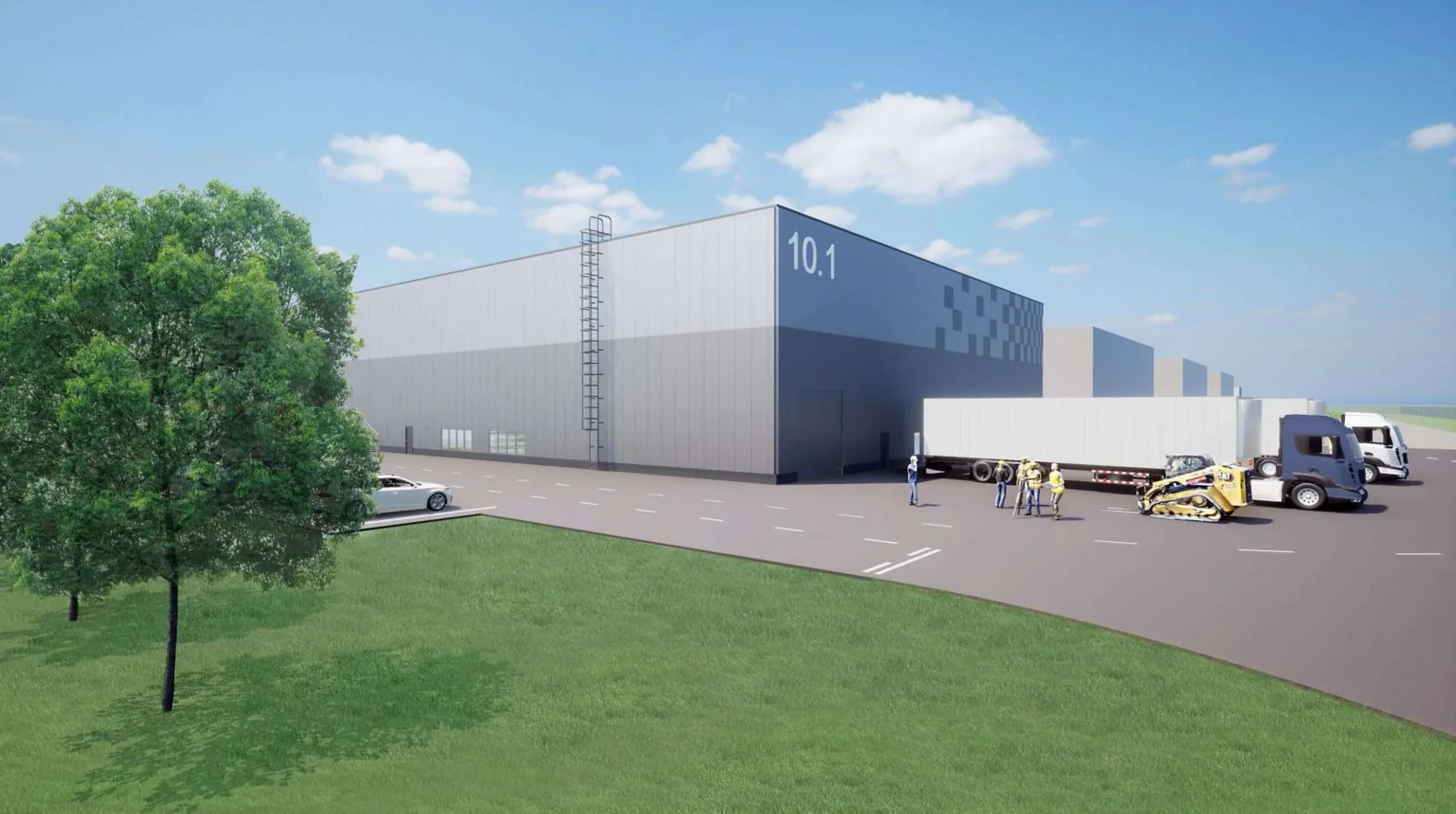
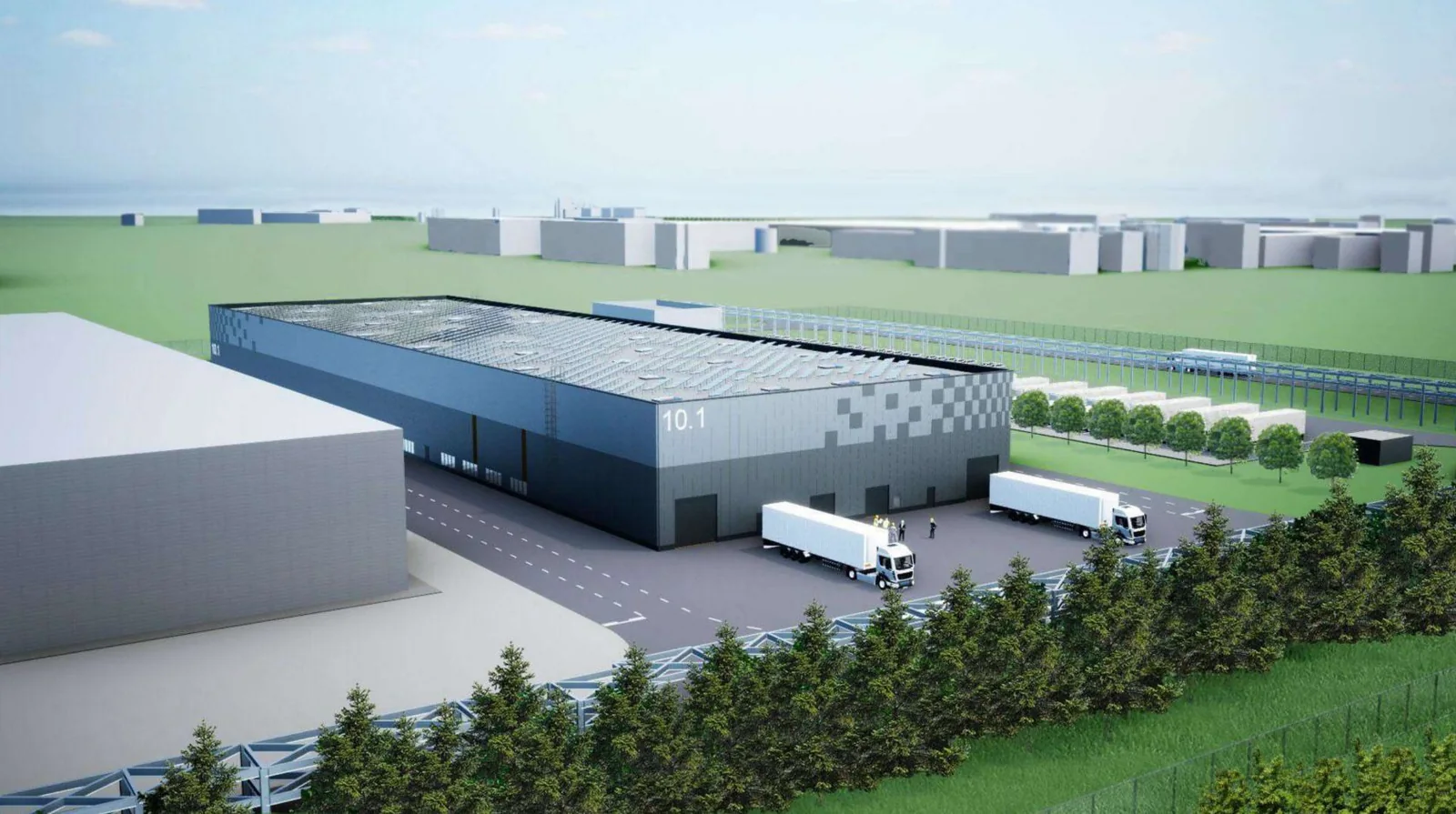
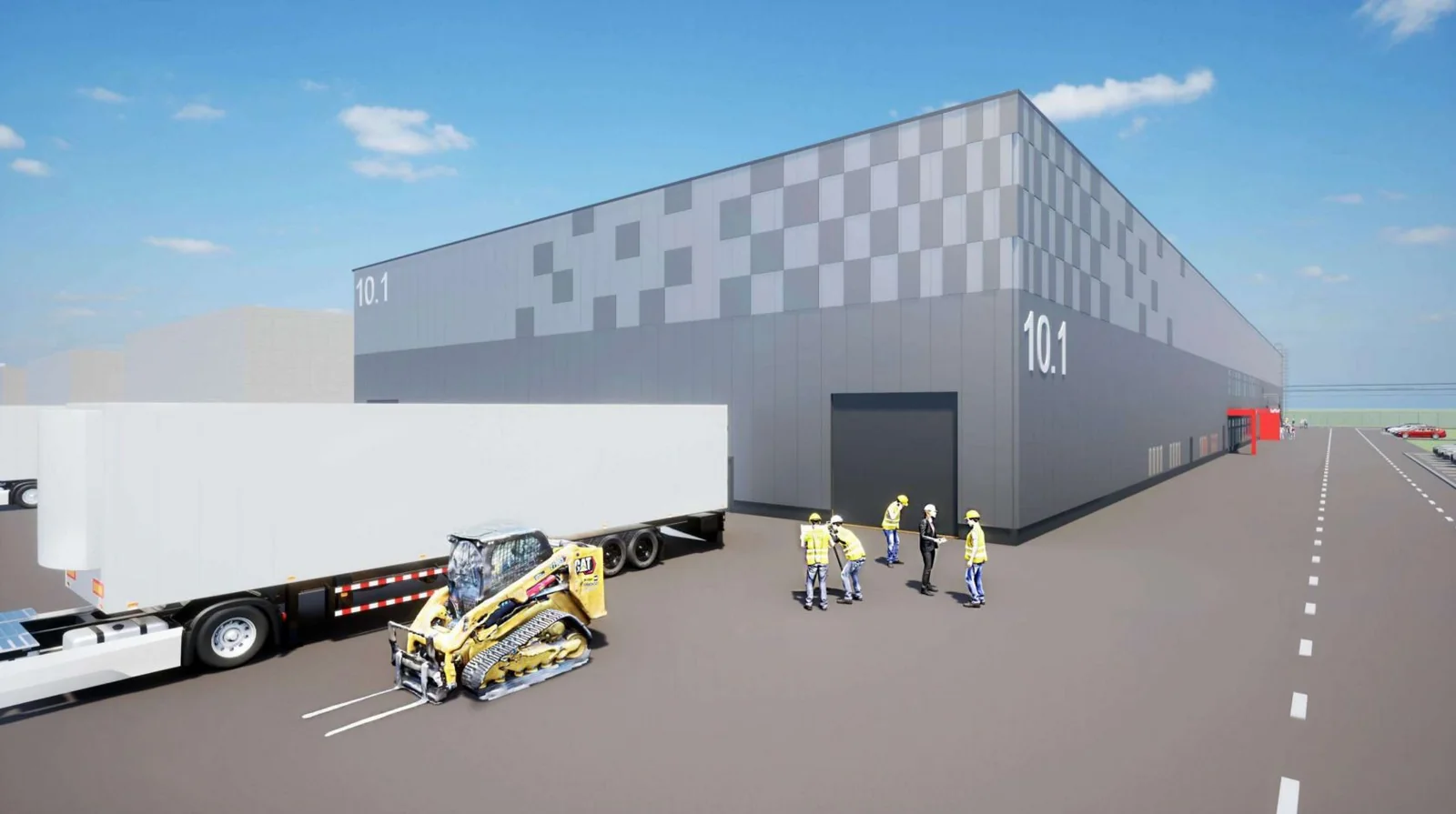
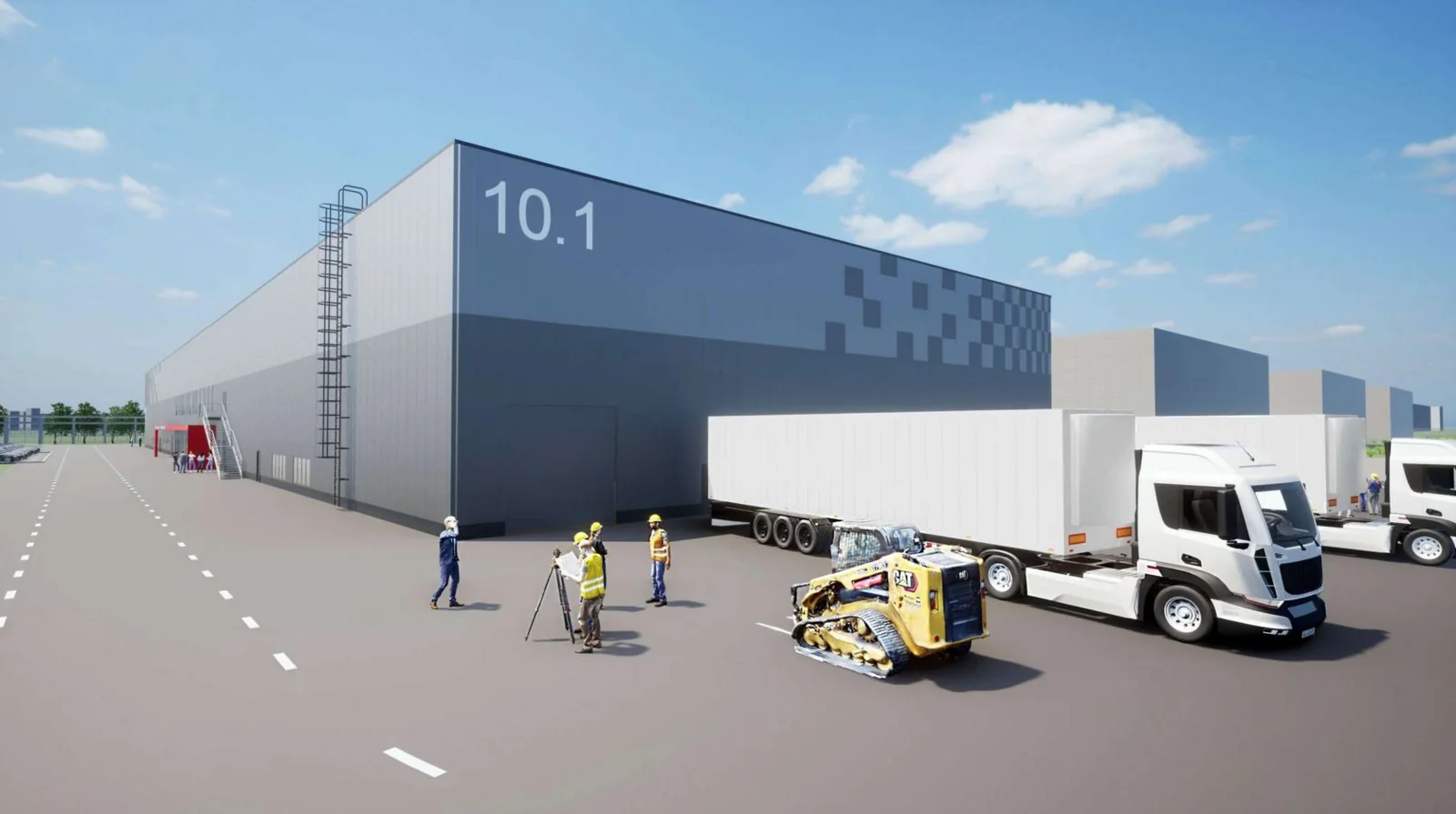
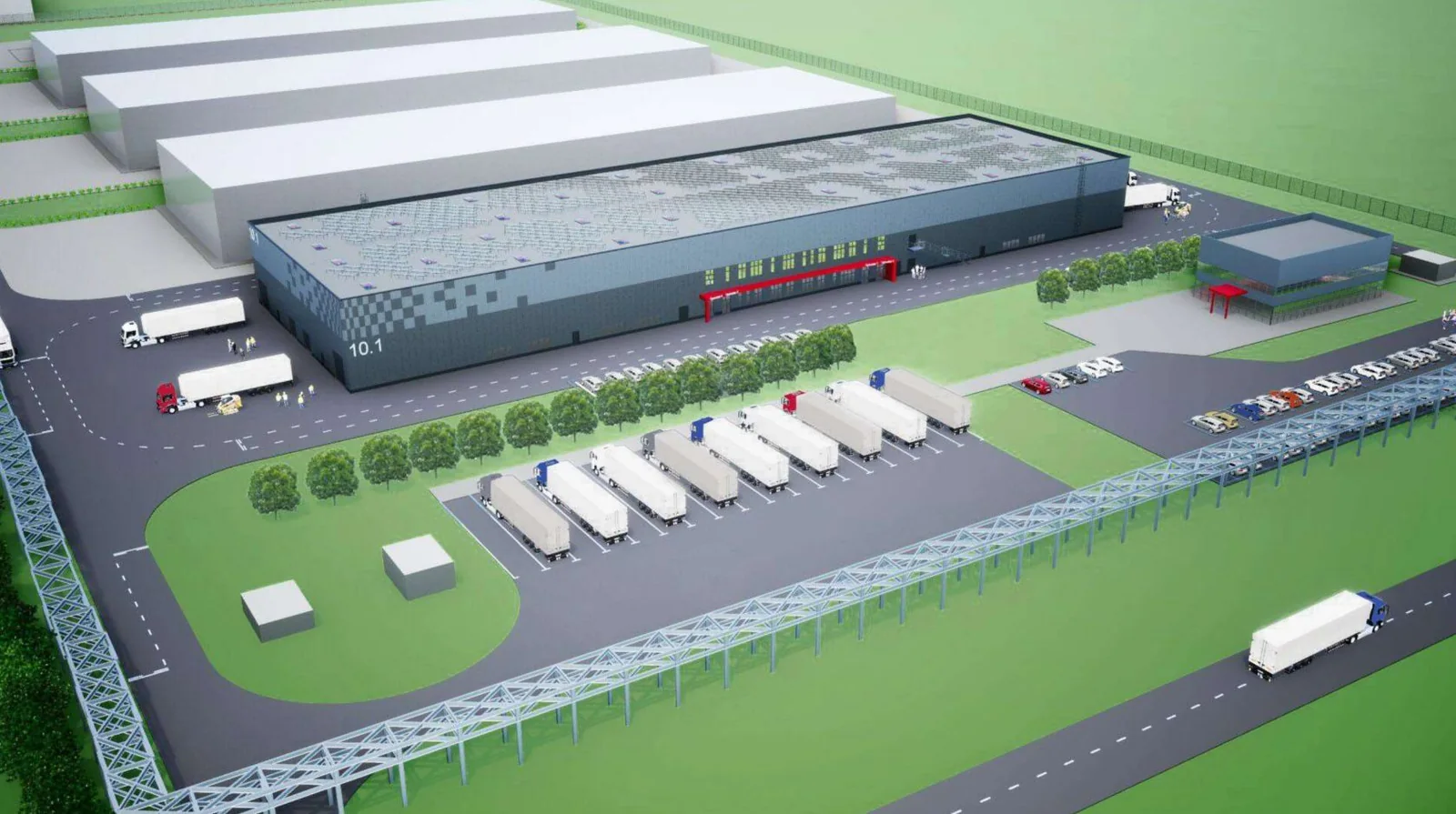
The investment proposition combines external engineering networks, site access, an administration function and a first 5,000-square-metre production-and-warehouse complex. That starter building can shorten entry time for a resident that is not ready to finance a bespoke facility. The managing company’s one-stop support should connect land and premises allocation with permits, utility interfaces, certification and operating services. Water and wastewater capacities, road geometry, rail interfaces, power quality and expansion corridors must be engineered as one site system rather than as unrelated construction packages.
03From concept to an operable asset
Delivery should move from verified site and utility design to external connections, access works and the starter complex, then to transparent resident onboarding and phased build-out. Each phase needs a usable output: serviced plots before resident commitments, an operable common building before occupancy, and documented service levels before fees begin. The source distinguishes an initial infrastructure stage from full development and resident settlement. Agglomeration suppliers and training partners can be involved through open procurement and workforce programmes without changing the park’s legal initiator, manager or land ownership.
04What must be proven before commitment
Before an investment decision, confirm title and land-use constraints, utility connection terms, environmental conditions, rail and road capacity, construction estimates and the exact scope financed by the stated budget. The source presents feasibility indicators, including revenue, EBITDA and return forecasts, but investors need the underlying occupancy ramp, tariff, operating-cost, discount-rate and residual-value assumptions. Signed resident demand, a plot-allocation policy, state-aid and incentive compliance, procurement packaging, schedule contingencies and responsibility for off-site works must also be evidenced. Forecasts should be stress-tested against delayed occupancy and utility-cost escalation.
05Where a partner can create value
The project needs infrastructure financiers and contractors able to deliver industrial water, wastewater, power, roads and site preparation under transparent public procurement. A development partner should understand industrial-park governance, phased real-estate delivery, resident due diligence and build-to-suit or lease structures. Useful resident partners are manufacturers with credible utility loads, employment plans, environmental controls and supply-chain fit. Rail, logistics, certification, workforce-training and applied-research organisations can strengthen operations. Partners must accept measurable service standards, open resident-selection rules and clear separation between public infrastructure, managing-company services and private production investment.