01The system behind the project
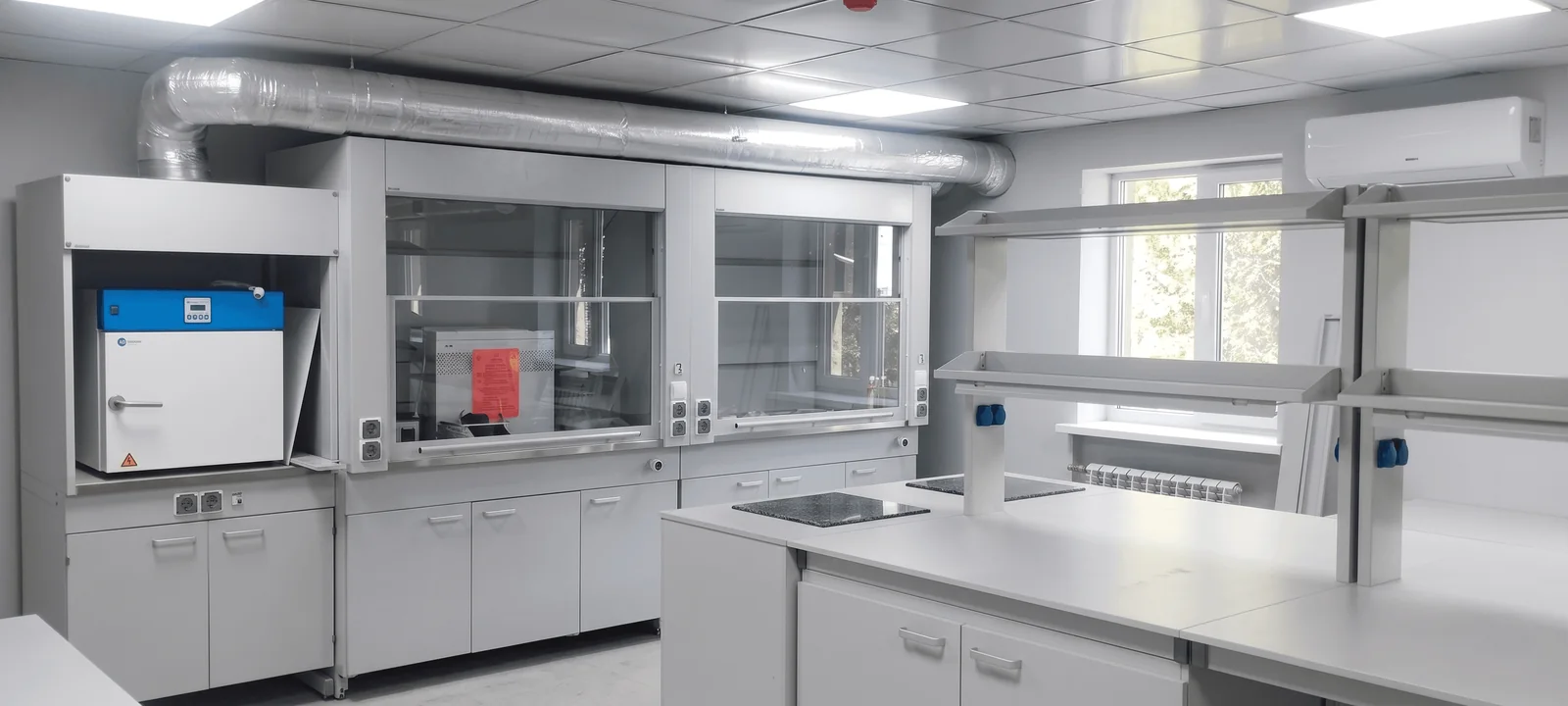
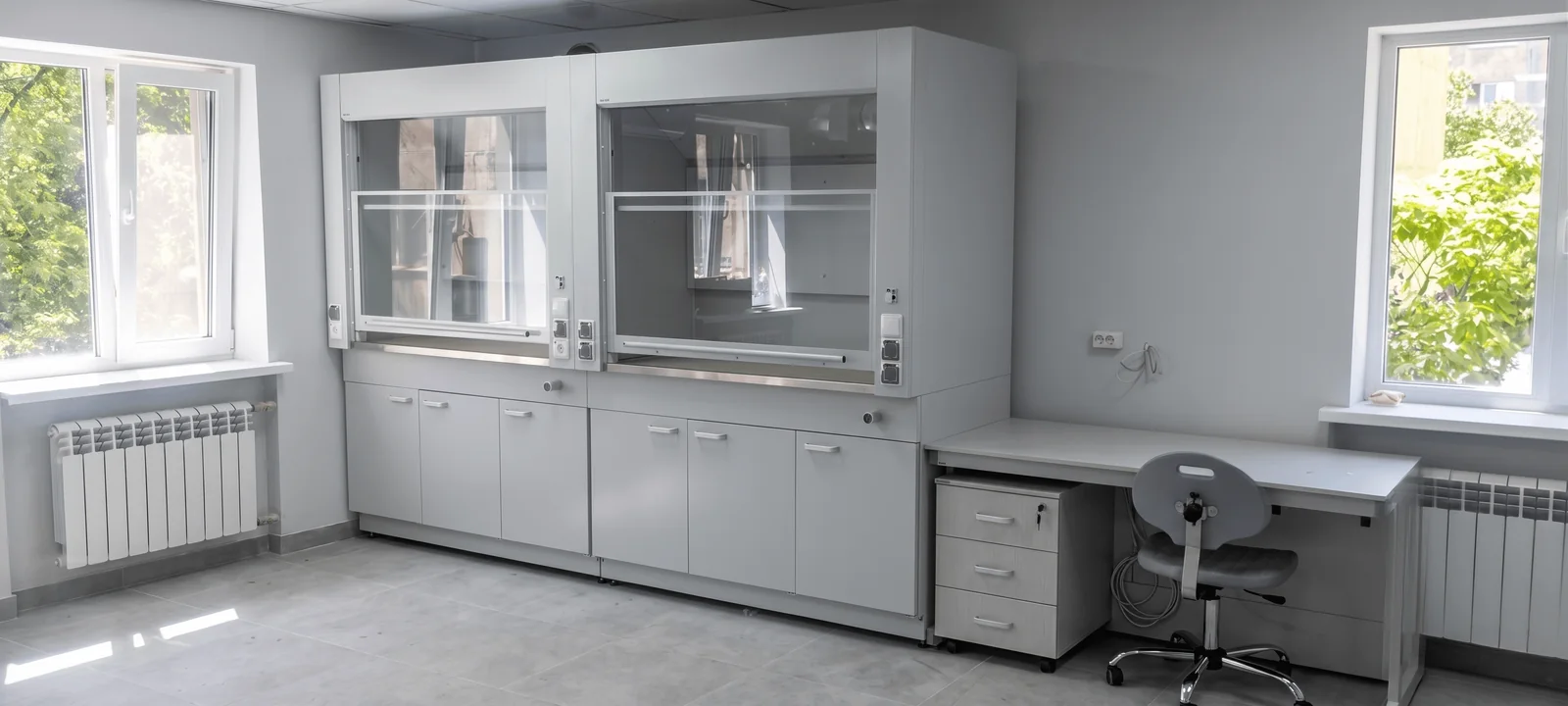
Recovery and industrial redevelopment generate demolition materials whose hazardous content and engineering properties cannot be judged by appearance. The planned two-level laboratory addresses two linked gaps: local identification of asbestos and evidence for safe reuse of industrial or construction waste. The source labels readiness as “Completion of the first part of construction” and identifies secured and remaining finance; that source label alone does not verify physical progress or establish an operating service. Its potential agglomeration role is shared testing for sites, enterprises and communities, subject to transparent access and formal sample custody.
02How the intervention works
The facility should separate asbestos receipt, controlled preparation and analysis from circular-material testing to prevent cross-contamination. Core systems include documented sampling kits, negative-pressure and filtration where required, secure sample storage, calibrated analytical equipment, waste containment, laboratory information management and auditable result release. The materials branch needs physical and chemical characterisation tied to defined intended uses, not broad declarations that waste is safe. Quality management, method validation, reference materials, staff competence and occupational exposure controls are part of the laboratory architecture, not administrative additions.
03From concept to an operable asset
Complete and qualify the asbestos laboratory first only if containment, equipment, methods and staff can be accepted as one operating package. The second level can then add circular-material research without disrupting hazardous-sample controls. Commissioning should progress from equipment installation to method validation, proficiency testing, trial sample chains and controlled service launch. Public and industrial users need published sample acceptance rules, turnaround times and reporting boundaries. A phased client programme across the agglomeration can test demand, logistics and pricing before wider capacity claims are made.
04What must be proven before commitment
Before committing remaining finance, verify the completed construction scope, building services, contamination zoning, equipment list, legal permits, occupational-safety plan and accreditation pathway. Confirm which asbestos and materials methods will be offered, their detection limits, reference standards, expected sample volumes and unit economics. The source identifies a total need and a funding gap, but a reconciled cost-to-complete, operating budget, staffing plan and procurement status are still required. Decision-makers also need insurance, data-retention rules, impartiality controls, waste disposal contracts and an access model for municipalities and private clients.
05Where a partner can create value
Suitable partners include accredited environmental laboratories, asbestos analysts, materials-science institutes and construction-waste specialists with recognised quality systems. Equipment providers must deliver calibration, maintenance, training and reference materials, not hardware alone. Occupational hygienists and hazardous-waste operators are needed for safe sampling and disposal. Universities can support validated research on specific material applications, while demolition contractors and municipalities can provide controlled pilot samples. A quality-management partner should prepare method documentation, interlaboratory comparisons and accreditation evidence without overstating certification before the competent body completes its assessment.