01The system behind the project
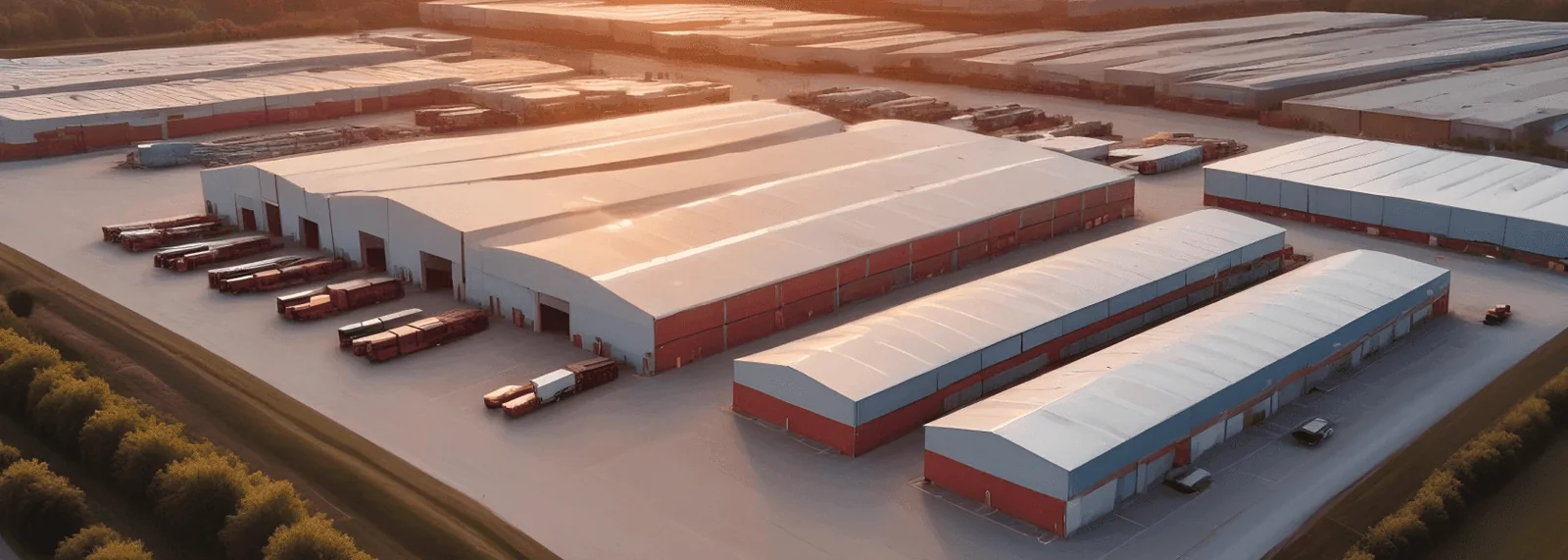
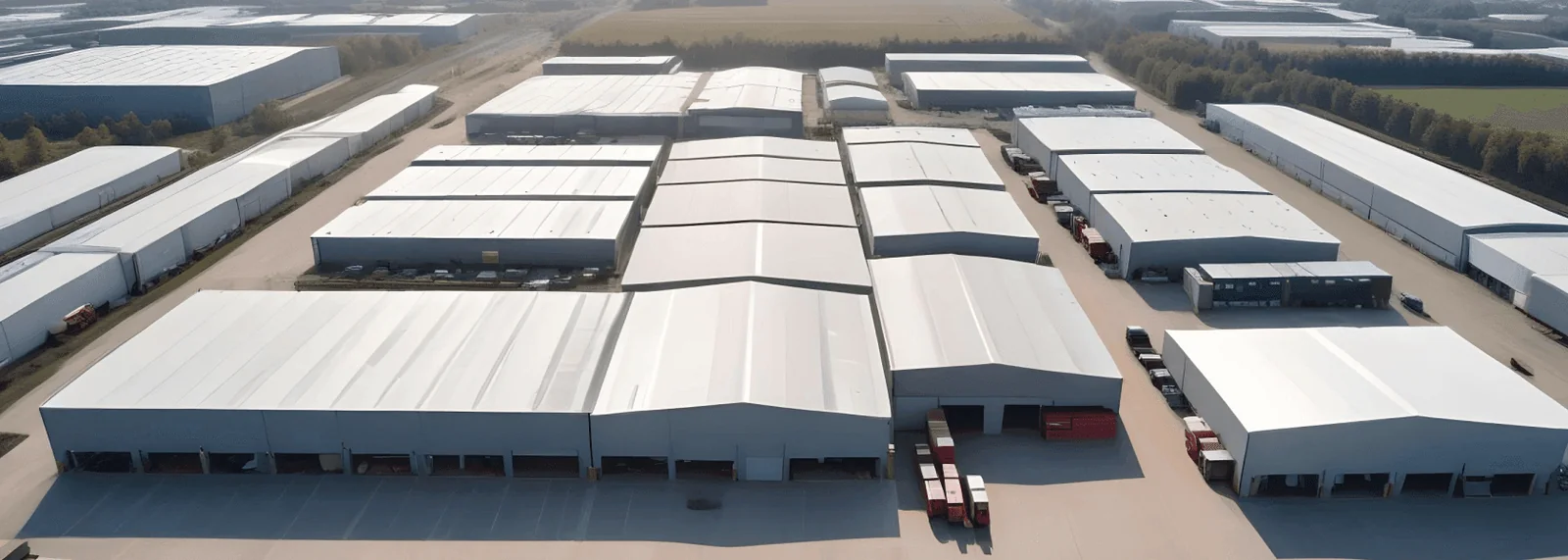
The proposed terminal responds to an identified absence of a documented high-capacity cold-chain platform serving producers, processors, distributors and the metropolitan consumer market. Its role is broader than a warehouse: temperature integrity, consolidation and reliable onward transport determine whether food and other sensitive goods reach national corridors without excessive loss. The source presents a business case, a three-year horizon and financial forecasts, but does not yet evidence contracted throughput. Functionally it can link rural production and urban demand across the agglomeration; legal sponsorship remains municipal.
02How the intervention works
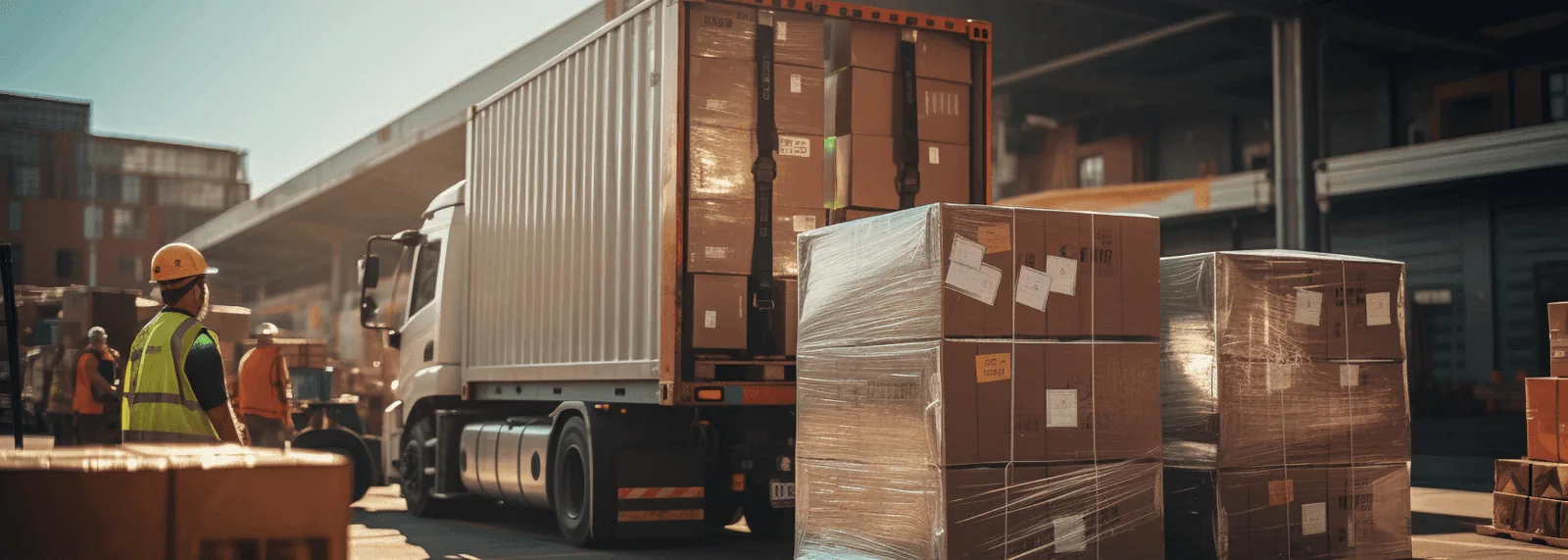
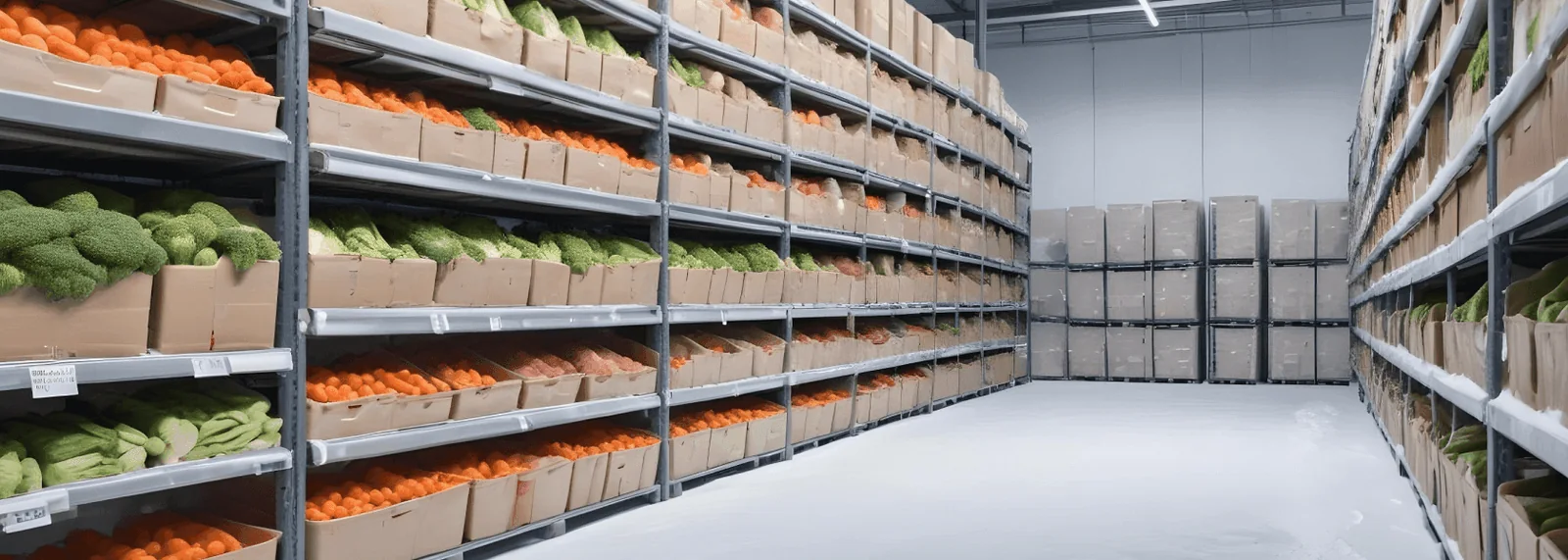
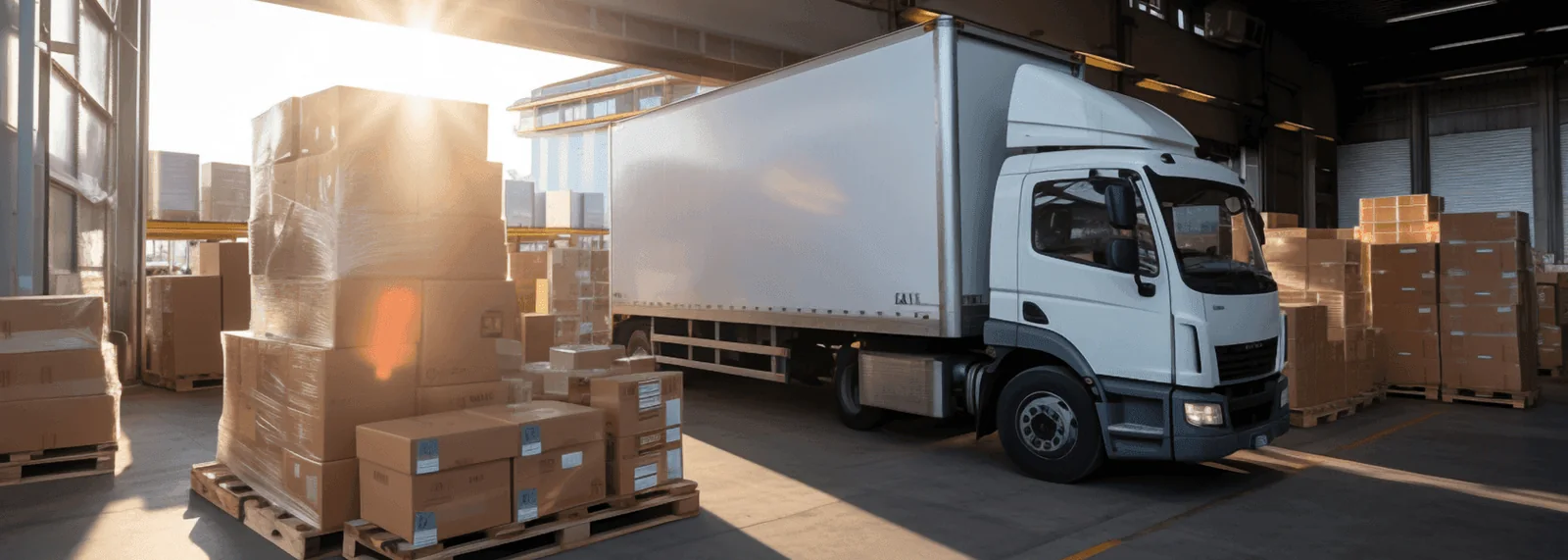
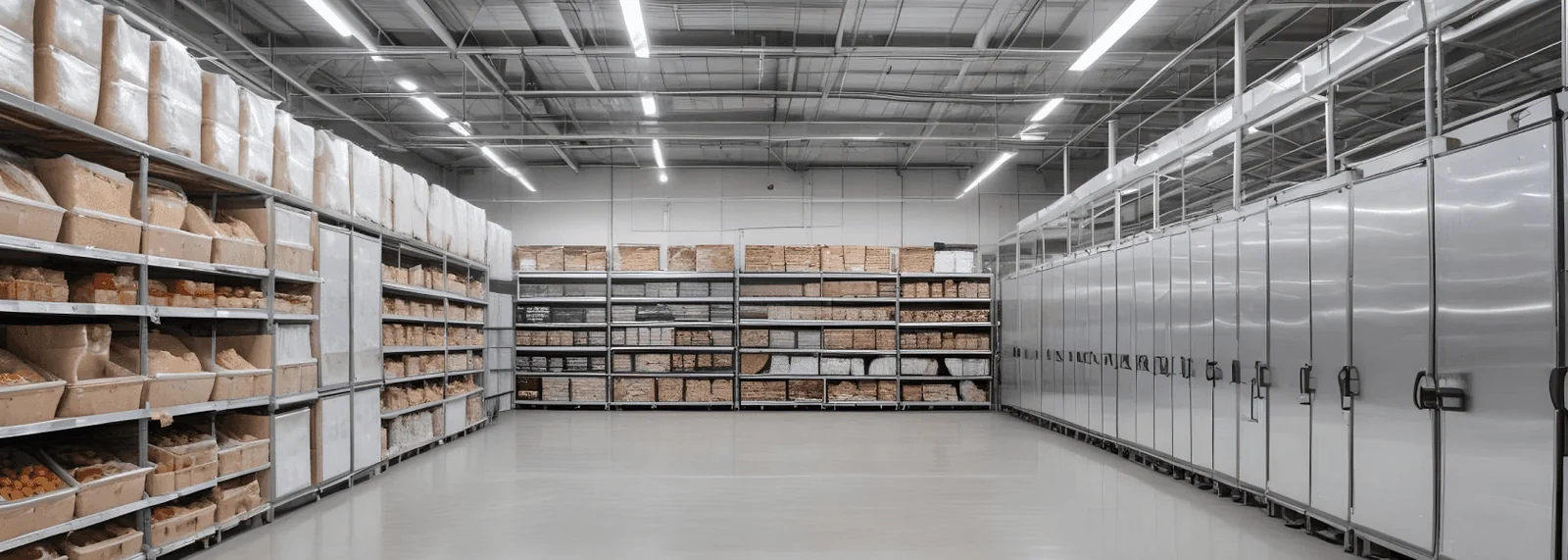
The terminal should combine dry, chilled and frozen zones with segregated receiving, inspection, cross-docking, order assembly and dispatch. Refrigeration architecture needs defined temperature bands, redundancy for critical compressors, monitored doors and docks, backup power, refrigerant safety and heat-recovery options. A warehouse-management system should preserve lot, expiry and temperature traceability from vehicle arrival to departure. Yard design, weighbridge, drainage, fire protection, food-safety hygiene and customs or certification interfaces must align with forecast vehicle flows. Energy modelling is central because refrigeration will shape operating cost and resilience.
03From concept to an operable asset
Delivery begins with origin-destination and commodity studies, anchor-customer interviews, site and access confirmation, and a cold-chain concept sized to credible throughput. Detailed design should fix temperature zones, expansion modules, energy supply and operating workflows before construction. Build utilities and yard first, then the envelope, refrigeration, racking and digital systems. Commission with mapped temperatures, door-cycle tests, backup scenarios and trial consignments. Capacity can open in modules tied to signed demand, reducing stranded space. Agglomeration producers need transparent booking, quality requirements and service tariffs before commercial launch.
04What must be proven before commitment
Investors need verified annual and peak throughput by commodity, seasonality, customer commitments, dwell times, service prices and competitive routes. Confirm land rights, road geometry, grid capacity, backup fuel or storage, water, wastewater, permits, food-safety regime and refrigerant compliance. The source forecasts EBITDA, taxes, internal return and discounted payback; underlying occupancy, tariff, energy-price, labour, spoilage, maintenance and financing assumptions must be disclosed and stress-tested. A bankable decision also requires cost estimates, escalation and contingency, operating-company model, insurance, working capital and allocation of demand risk.
05Where a partner can create value
The project needs a cold-chain operator with measurable temperature performance, food-safety certification experience, customer acquisition and route planning. Design-build partners should integrate industrial refrigeration, insulated envelopes, racking, docks, fire safety, energy management and warehouse software. Anchor users may include producers, processors, retailers, healthcare or other temperature-sensitive shippers, but each must document volumes and handling requirements. Logistics financiers should understand phased capacity and seasonal working capital. Certification bodies, transport fleets, renewable-energy specialists and workforce trainers can support the platform under open access and auditable service standards.