01The system behind the project
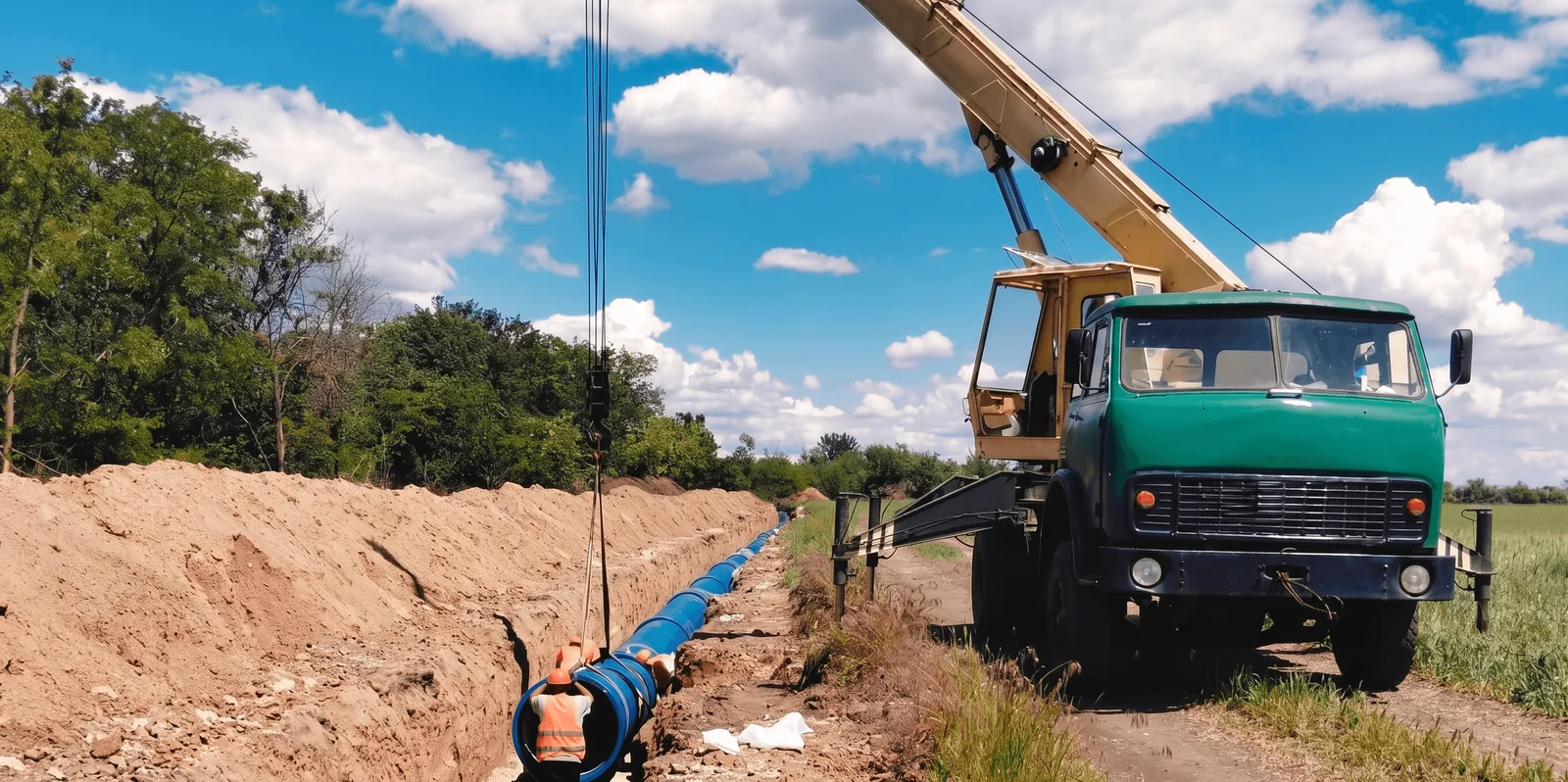
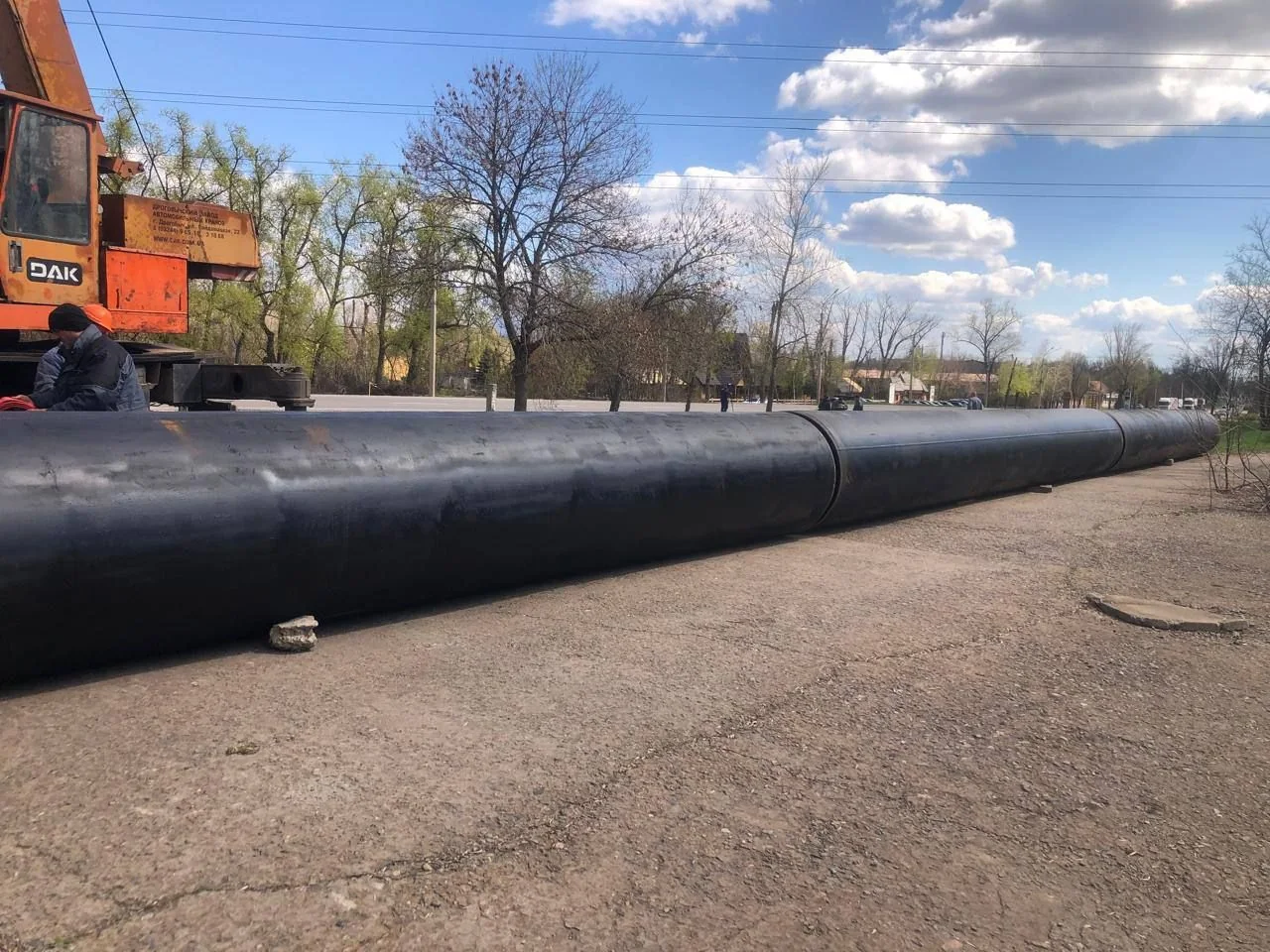
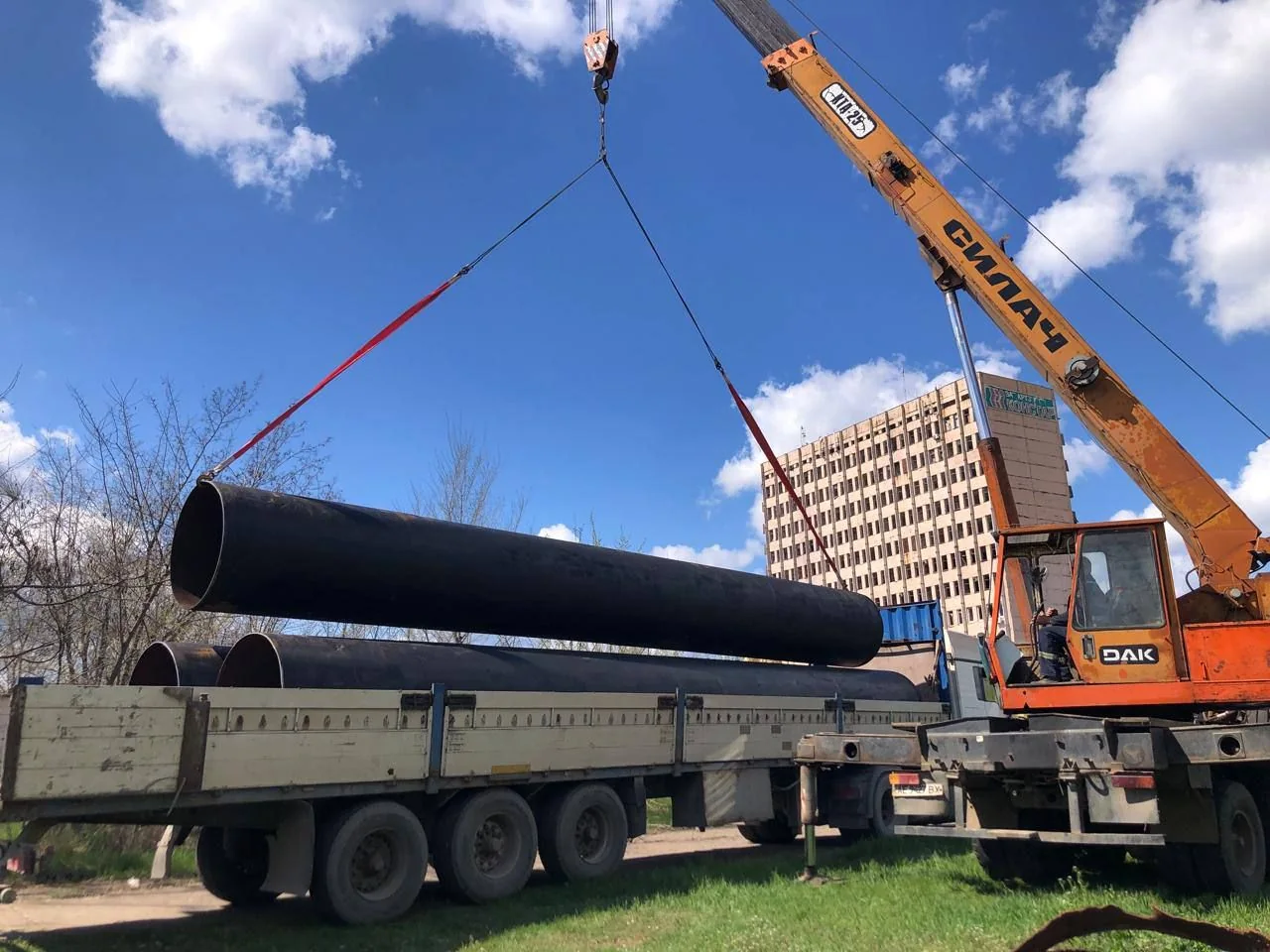
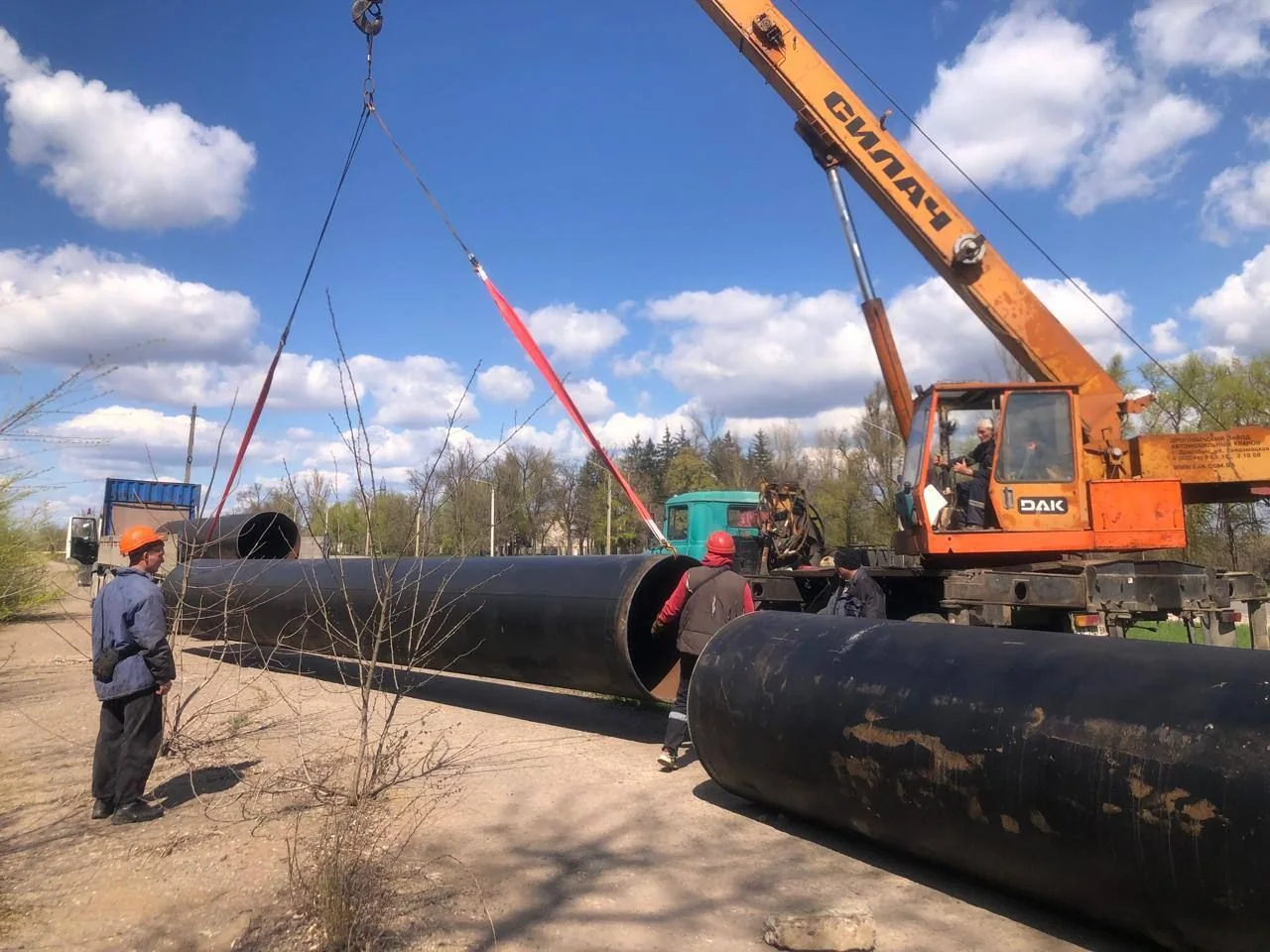
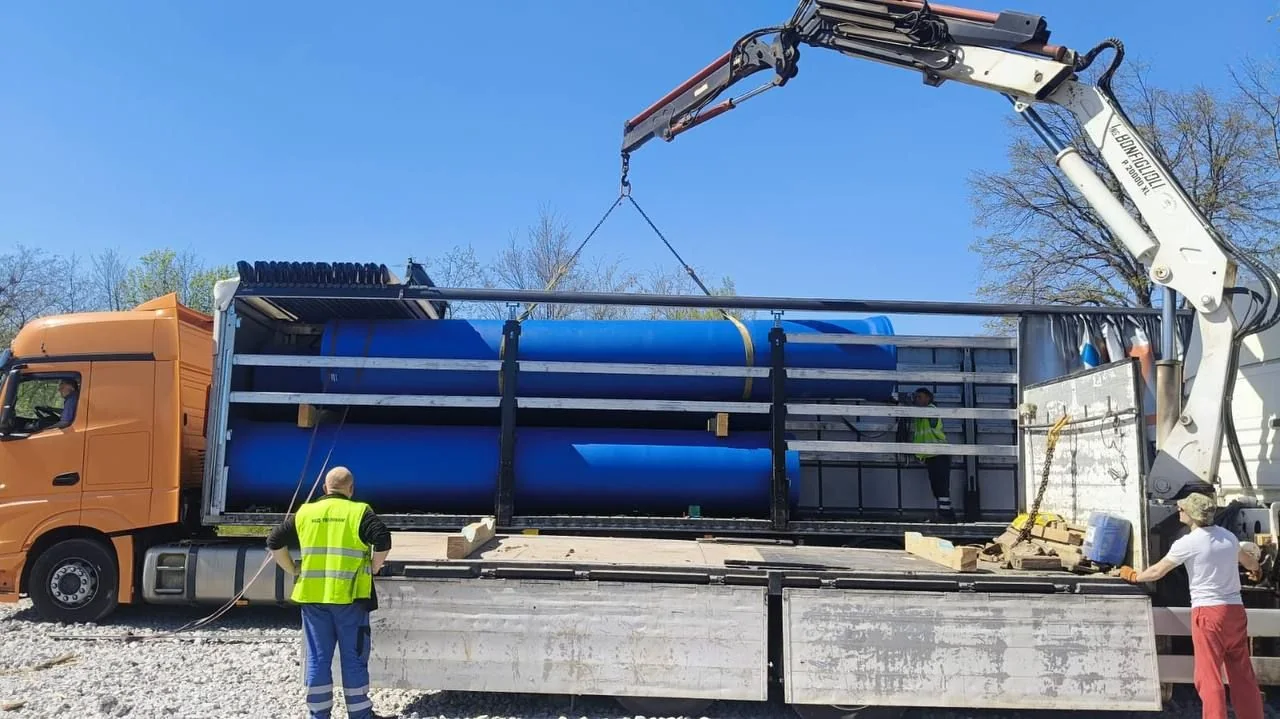
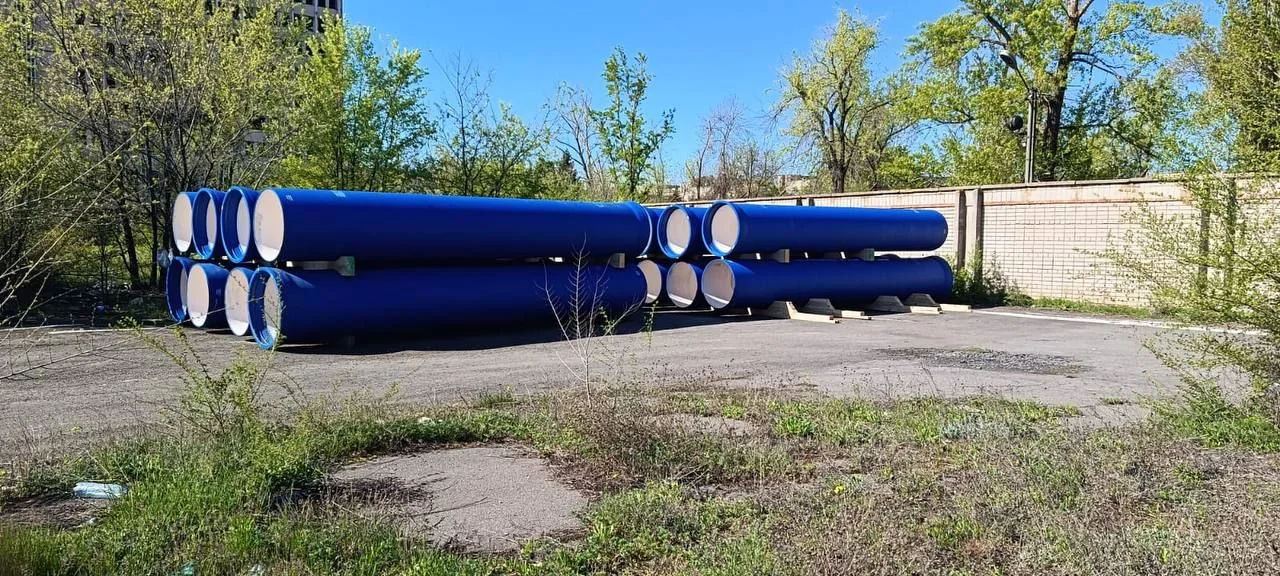
The project strengthens a critical transmission route from the Karachuniv Reservoir through the Western Pumping Station toward the first distribution node. The source describes active construction of a parallel 13-kilometre DN1000 ductile-iron main and pumping works intended to add approximately 25,600 cubic metres per day. This is a backbone-security intervention for northern Kryvyi Rih, where worn transmission assets create failure and water-quality exposure. Its economic relevance extends across the agglomeration’s core, but the source does not establish direct service to other municipalities.
02How the intervention works
The system comprises the new large-diameter trunk main, tie-ins at reservoir and distribution interfaces, renewed pumping capacity, isolation valves, air and surge management, drainage, metering and supervisory monitoring. Parallel alignment should permit controlled transfer from the worn route and preserve supply during connections. Ductile-iron pipe design must account for pressure class, thrust restraint, corrosion protection, ground movement and access for repair. Pump curves, transient analysis and water-quality commissioning must be coordinated so additional hydraulic capacity does not create unacceptable pressure, stagnation or downstream network stress.
03From concept to an operable asset
Because construction is reported active, delivery control should begin with a verified as-built progress baseline, outstanding quantities, route access and interface schedule. Complete trenching, pipe installation and structures in testable sections, while coordinating shutdown windows with the water utility. Pumping works and electrical controls should be commissioned against the final hydraulic model before the parallel main carries normal duty. Pressure tests, disinfection, water-quality sampling and staged flow increase precede handover. The operator needs as-built GIS, valve registers, spare components and emergency procedures for the new and retained routes.
04What must be proven before commitment
Before releasing further funds or accepting works, confirm actual construction progress, contracts, certified quantities, design changes, land and crossing permissions, geotechnical conditions and remaining cost-to-complete. Validate the source’s additional-supply forecast with current pump duty, reservoir level assumptions, demand scenarios and downstream capacity. Decision-makers need hydraulic-transient results, material certificates, welding or joint records, pressure-test plans, disinfection protocol, water-quality criteria, power-resilience arrangements and an interface outage plan. Clarify whether the old main is retained, rehabilitated or retired and how redundancy will be measured after commissioning.
05Where a partner can create value
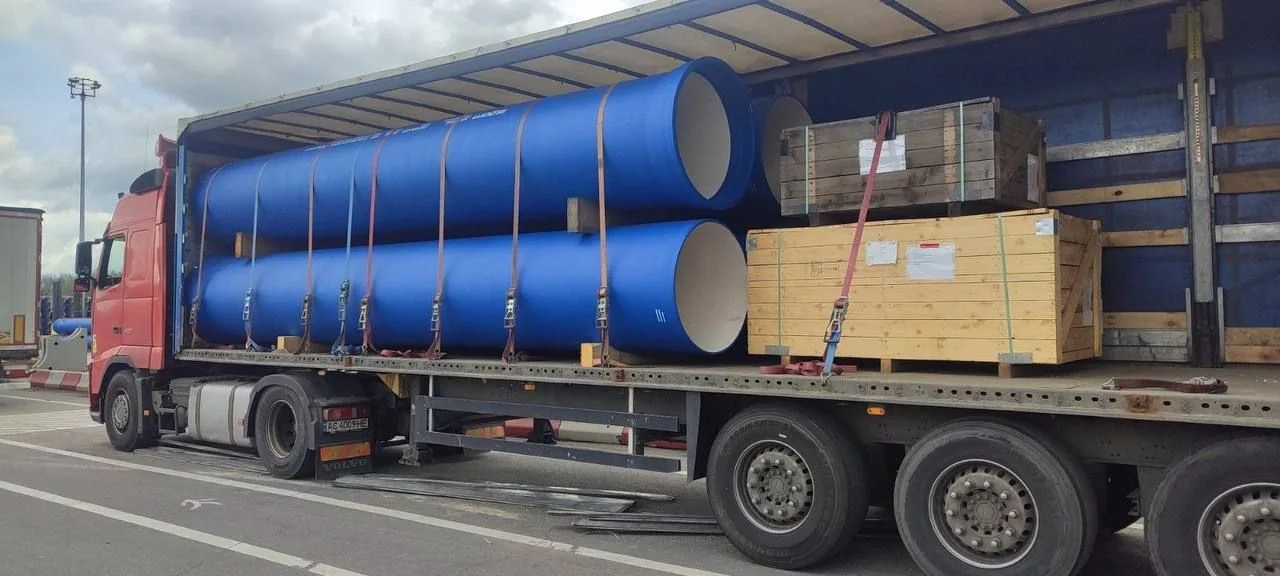
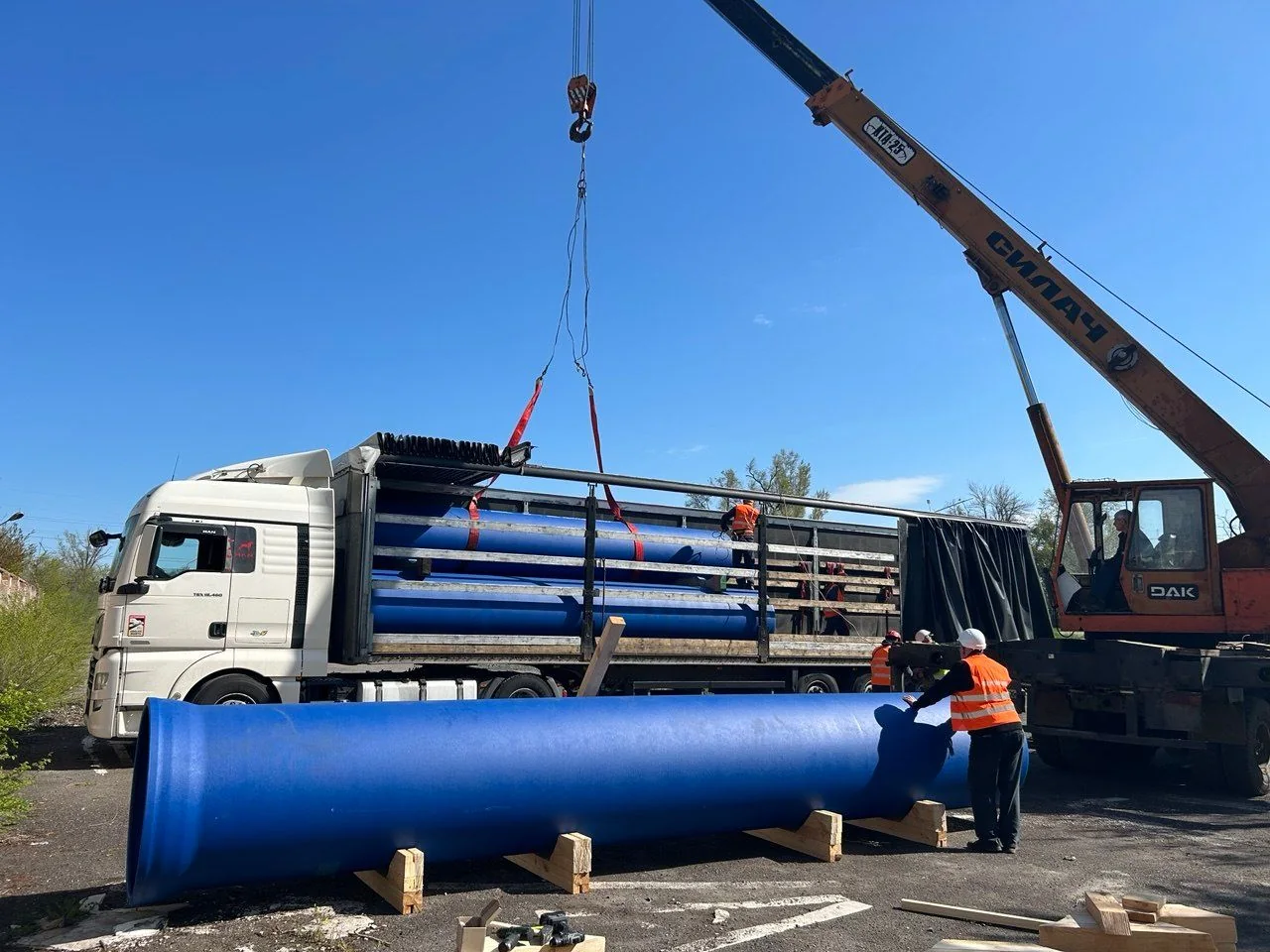
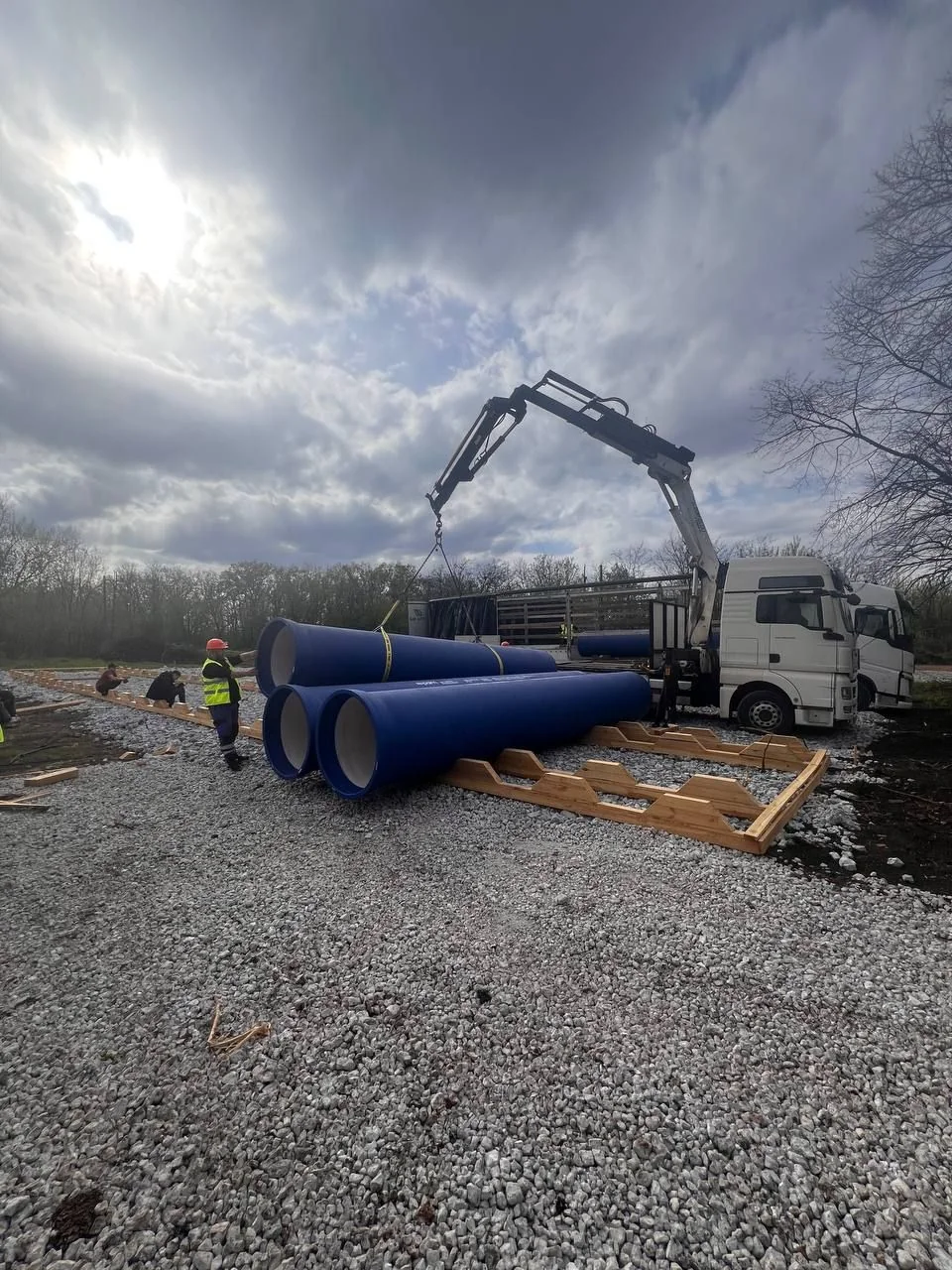
Relevant partners are experienced large-diameter water-main contractors, hydraulic designers, pumping and electrical integrators, geotechnical teams and independent construction supervisors. Pipe and valve suppliers must provide traceable certificates, compatible joints, corrosion protection, specialist tools and local spares. Accredited laboratories should verify disinfection and potable-water quality. A commissioning lead must coordinate transient testing, pump controls and progressive loading with the utility’s dispatchers. Financiers and technical advisers need expertise in active municipal infrastructure, payment certification and contingency management, with no interruption of essential service accepted as an unexamined construction risk.