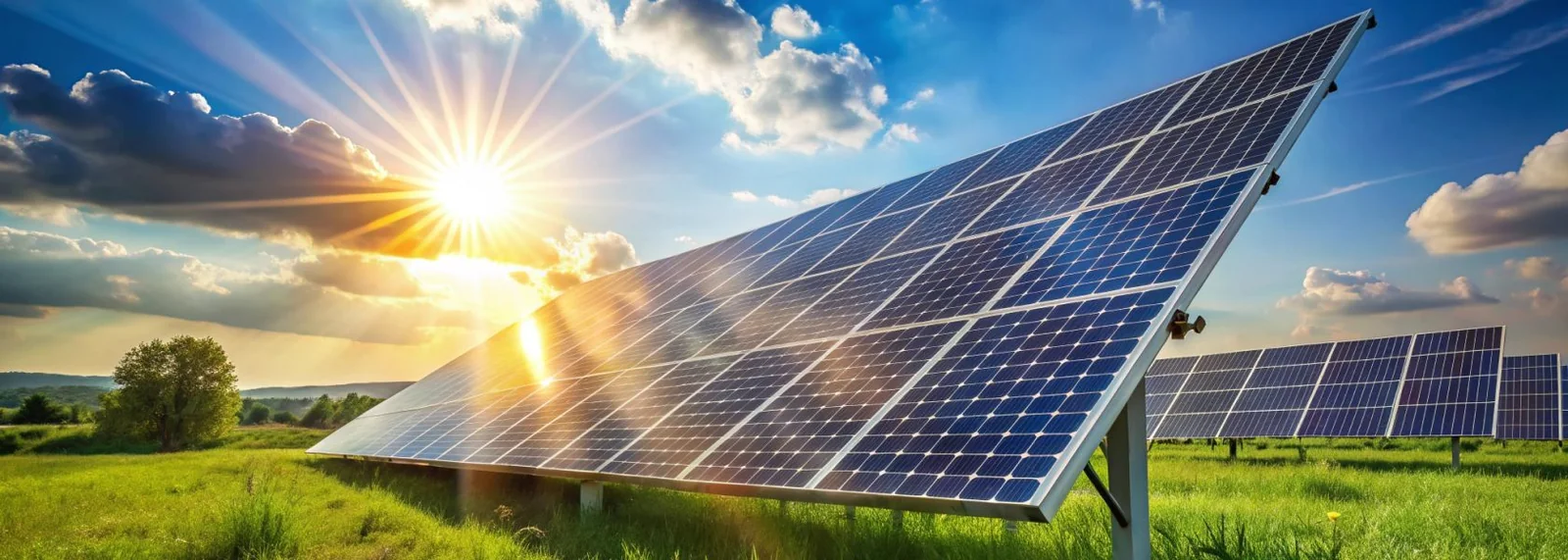
Editorial hero for “12 MW Solar Platform at the Central Aeration Station”: infrastructure, people and the project’s core technical intervention, without implying that the project is complete.
Energy efficiencyIn preparation

Source project ID · project-sun12

12 MW Solar Platform at the Central Aeration Station

A six-block 12 MW solar plant could offset water-utility demand and export verified surplus under an approved grid and offtake model.

Contact for this project

01

Agglomeration relevance

The asset reinforces the energy base of a regional water-service anchor; it is not evidence of off-grid water autonomy.
This section is an editorial assessment of functional relevance. It does not change the project owner, beneficiary area or governance stated by the source.

02

Project dossier

The project in operational terms: the system it changes, the intervention logic, the path to delivery and the evidence still required for a responsible commitment.

01

The system behind the project

The concept places a six-block, 12 MW photovoltaic platform at the Central Aeration Station, a major electricity-consuming water-utility site. Its logic is to match verified daytime generation to treatment demand and only export a demonstrable surplus under a lawful grid and offtake arrangement. The source provides a business case, thirteen-month target and forecast financial indicators, but notes no completed yield, self-consumption or connection study. Functionally the asset supports an agglomeration-critical water service; it does not by itself establish off-grid autonomy.

02

How the intervention works

Six nominal 2 MW blocks create physical and financial gates rather than one indivisible plant. Design must integrate module fields, inverters, transformers, protection, revenue-grade meters, SCADA, weather station, earthing, fire access and security with the aeration station’s load and electrical topology. The control scheme should prioritise safe self-consumption, constrain export to the approved connection and preserve treatment operations during faults. Land drainage, shading, geotechnics and cable routes matter. Storage is not evidenced in the source and should not be assumed unless separately sized and justified.

03

From concept to an operable asset

First establish solar yield, interval load, land condition, grid capacity and the commercial treatment of self-consumed and exported energy. Complete detailed design and permits for the whole platform, then build the first 2 MW block with independent metering and acceptance criteria. Its measured output, curtailment and interaction with aeration loads should inform release of later blocks. Civil, electrical and grid works can be standardised across six modules, but commissioning remains block-specific. Final performance testing must compare calibrated weather data and actual generation, not only installed nameplate capacity.

04

What must be proven before commitment

Before financing, confirm land rights, irradiation dataset, losses, degradation, interval demand, self-consumption share, export limit, grid study, connection cost and settlement rules. Reconstruct the source forecasts for revenue, EBITDA, 14 percent internal return and 7.9-year payback from disclosed tariffs, taxes, OPEX, replacement costs, discount rate and financing. Test curtailment, lower yield, construction delay and tariff change. The decision also needs equipment bankability, warranties, performance ratio, grid-code compliance, environmental and geotechnical review, procurement packages, insurance, operating responsibility and a clear rule for advancing from one block to the next.

05

Where a partner can create value

Suitable partners are utility-scale solar developers and EPC contractors with grid-connection, industrial-site and water-utility experience. An independent engineer should validate yield, design, performance guarantees and commissioning data. Inverter, transformer and protection suppliers must offer local service, cybersecurity-compatible monitoring and spare-parts plans. A financier should accept phased drawdown tied to each 2 MW block and measurable acceptance. The water utility, distribution-system operator, land and permitting specialists, insurers and long-term O&M provider must work as one interface team while keeping electrical safety and uninterrupted treatment as controlling constraints.
03

How the project creates value

  1. NeedThe aeration-station site offers a large utility load, but generation, self-consumption and connection studies remain absent.
  2. InterventionPhasing in 2 MW blocks allows investment gates before full build-out and makes each block measurable.
  3. OutputsA six-block 12 MW solar plant could offset water-utility demand and export verified surplus under an approved grid and offtake model.
  4. BeneficiariesThe asset reinforces the energy base of a regional water-service anchor; it is not evidence of off-grid water autonomy.
  5. Expected resultExpected effect: A six-block 12 MW solar plant could offset water-utility demand and export verified surplus under an approved grid and offtake model.

04

Evidence dashboard

Solar capacity12Target
Annual revenue1787000Forecast
EBITDA1296000Forecast
Internal rate of return14Forecast
Payback period7.9Forecast

European value lens

Renewable energy, transparent land use, staged risk control and lifecycle responsibility for equipment.

05

Indicative launch scenario

The dates refresh automatically: the scenario begins on the first day of the next month and preserves the source-defined project duration and relative stage sequence.

Scenario start
Scenario completion
  1. 01

    Land, grid and detailed design

  2. 02

    Six 2 MW construction blocks

  3. 03

    Grid tests and commissioning

Scenario dates support planning only. They are not evidence of an approved calendar, procurement or financing commitment.

06

Source identity and readiness

Customer
initiated by Kryvyi Rih City Council
Performer
Department for Energy Management and Implementation of Energy Saving Technologies, Department of City Infrastructure Development, CE “Kryvbasvodokanal”
Project year
2025
Readiness
Requires development
Funding required
8,65 mln EUR
Source target term
13 months
Detail status
Active

07

Project context from the source

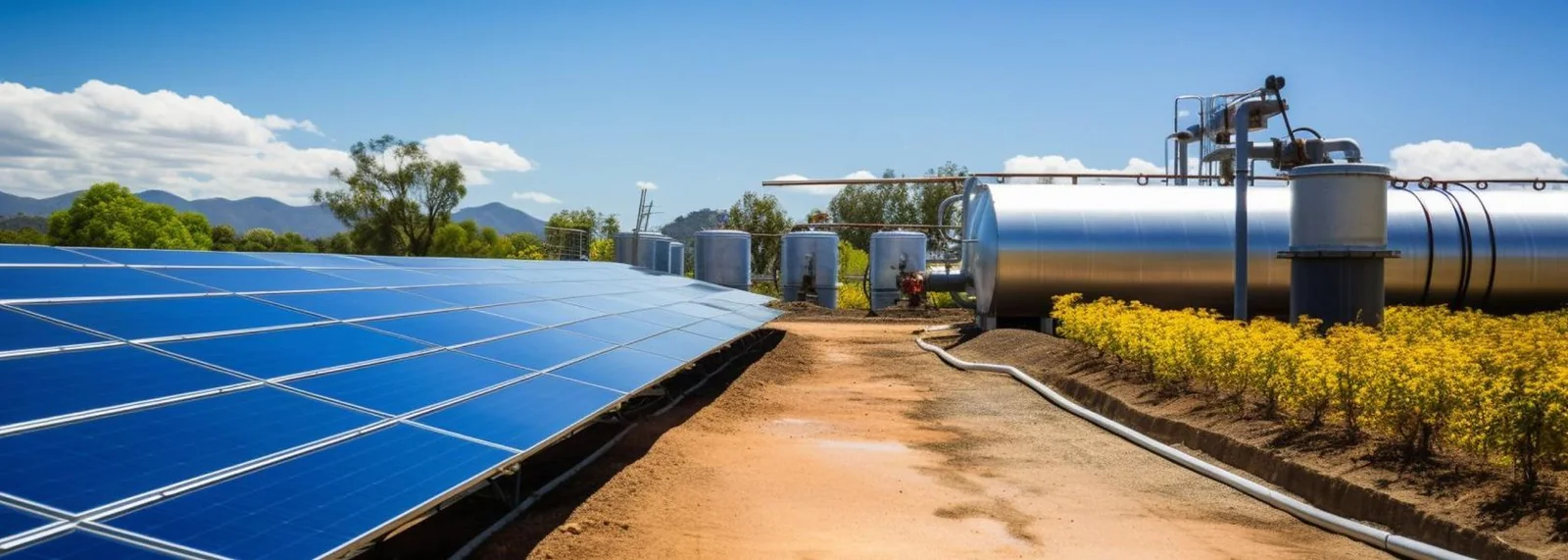
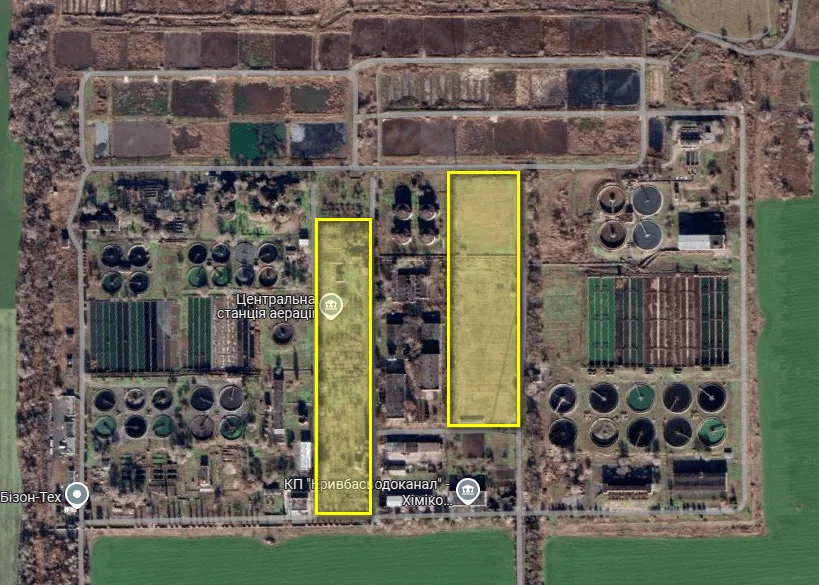
Optimised derivatives of the source project imagery; each asset retains its provenance.

08

Contact for this project

Support the next verified step of this project with technology, expertise, finance or partnership capacity.

This site collects no messages and stores no personal data. The button opens the original project page on the regional investment portal in a new tab, where the responsible team and its contact details are published.

Source captured and verified on 24 August 2026

Open original project page ↗