01The system behind the project
The 0.8 MW solar concept is small enough to act as a controlled utility pilot, but its source economics are marginal rather than robust: forecast net present value is only €20,000, internal rate of return 5 percent and discounted payback 19 years. Those values leave little cushion for weaker yield, lower self-consumption, curtailment, equipment replacement or financing cost. The page must therefore frame the project as a testable investment hypothesis for the water-service core and possible agglomeration learning asset, not as guaranteed savings, resilience or export revenue.
02How the intervention works
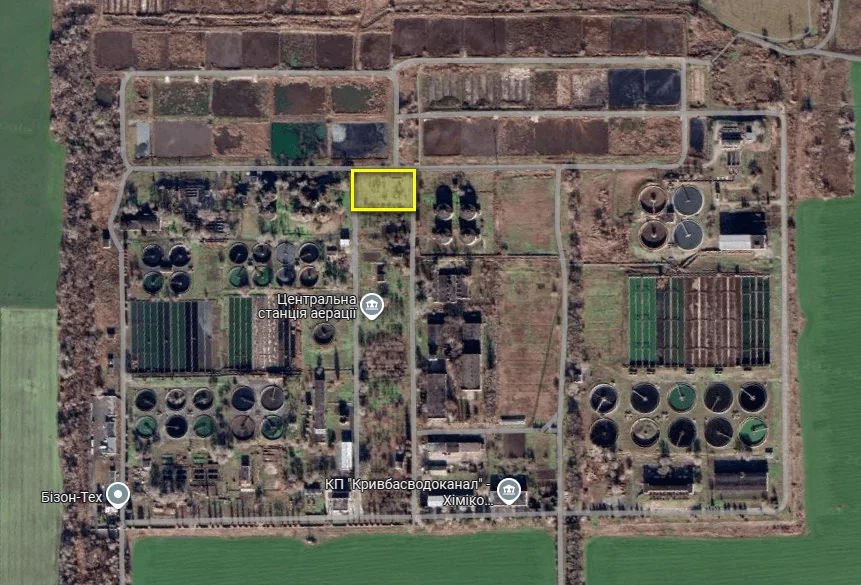
The technical design should match the PV array, inverters, transformer, protection, metering and SCADA to a clearly identified utility connection and daytime load. Revenue-grade meters must distinguish gross generation, self-consumed energy, import and export. A weather station enables performance-ratio analysis, while the control scheme limits export to the approved value and safely disconnects during grid faults. Layout must address shading, drainage, geotechnics, security, fire access and maintenance. Storage is not evidenced and should not be added rhetorically; if considered, it requires separate load, autonomy, fire-safety and economic analysis.
03From concept to an operable asset
Treat development as three gates. First, complete at least a defensible yield model, interval load analysis, connection study and commercial settlement case. Second, finalise design, permits and procurement only if the base and downside cases meet an approved threshold. Third, install and commission with calibrated weather, import-export and generation data, then operate through a representative period before scaling the model elsewhere. Acceptance should cover protection tests, actual performance ratio, availability and curtailment. Learning value is real only when assumptions, deviations and maintenance records are transparently documented.
04What must be proven before commitment
The investment decision must reproduce the stated €20,000 NPV, 5 percent IRR and 19-year discounted payback from disclosed assumptions. Test lower irradiation, soiling, degradation, inverter replacement, downtime, curtailment, lower daytime load, reduced self-consumption, import tariff changes, export price, taxes, OPEX, financing rate and delay. Confirm land, grid capacity, connection cost, settlement eligibility, equipment warranties and decommissioning responsibility. Because the margin is thin, a small change can destroy value; approval needs explicit minimum self-consumption and yield thresholds, not reliance on the headline installed capacity.
05Where a partner can create value
The best partner is not merely a module vendor, but a developer prepared to disclose the full energy and cash-flow model and accept independent verification. Required capabilities include interval-meter analysis, bankable yield assessment, grid protection, industrial-site EPC, revenue metering and long-term O&M. A financier should understand marginal-return assets and avoid structures whose fees consume the small forecast NPV. The distribution operator, water utility and independent engineer must agree connection and acceptance evidence. Partners should treat the pilot as disciplined learning and must not market unproven backup power, guaranteed savings or sales.