01The system behind the project
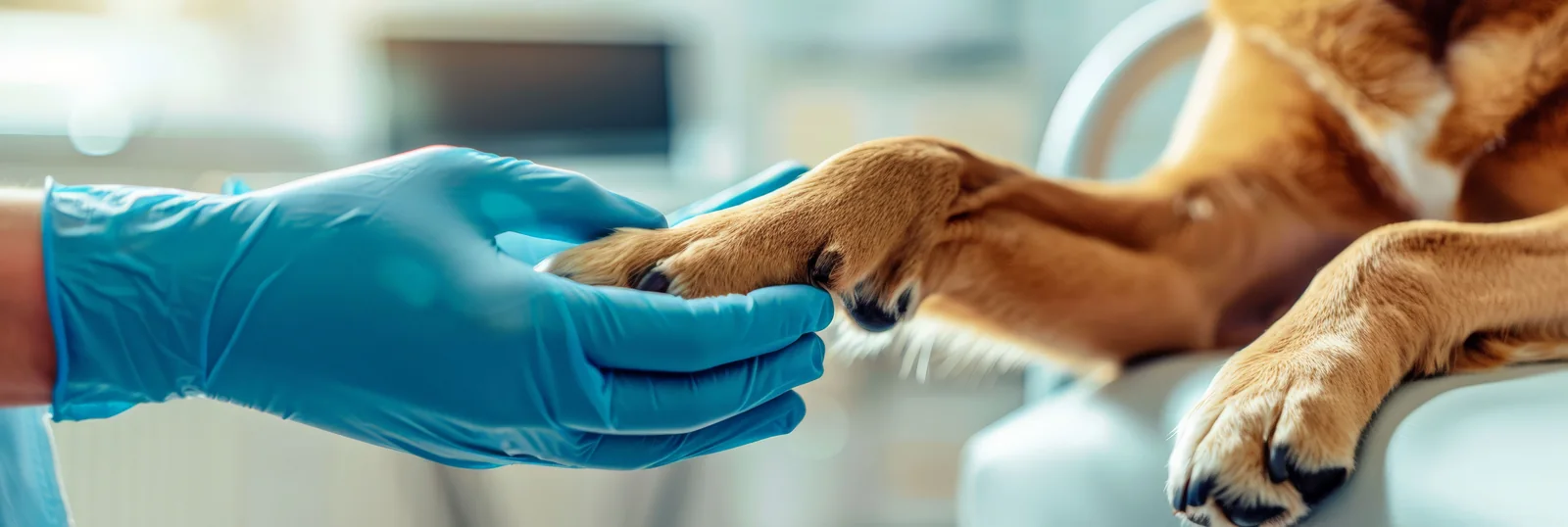
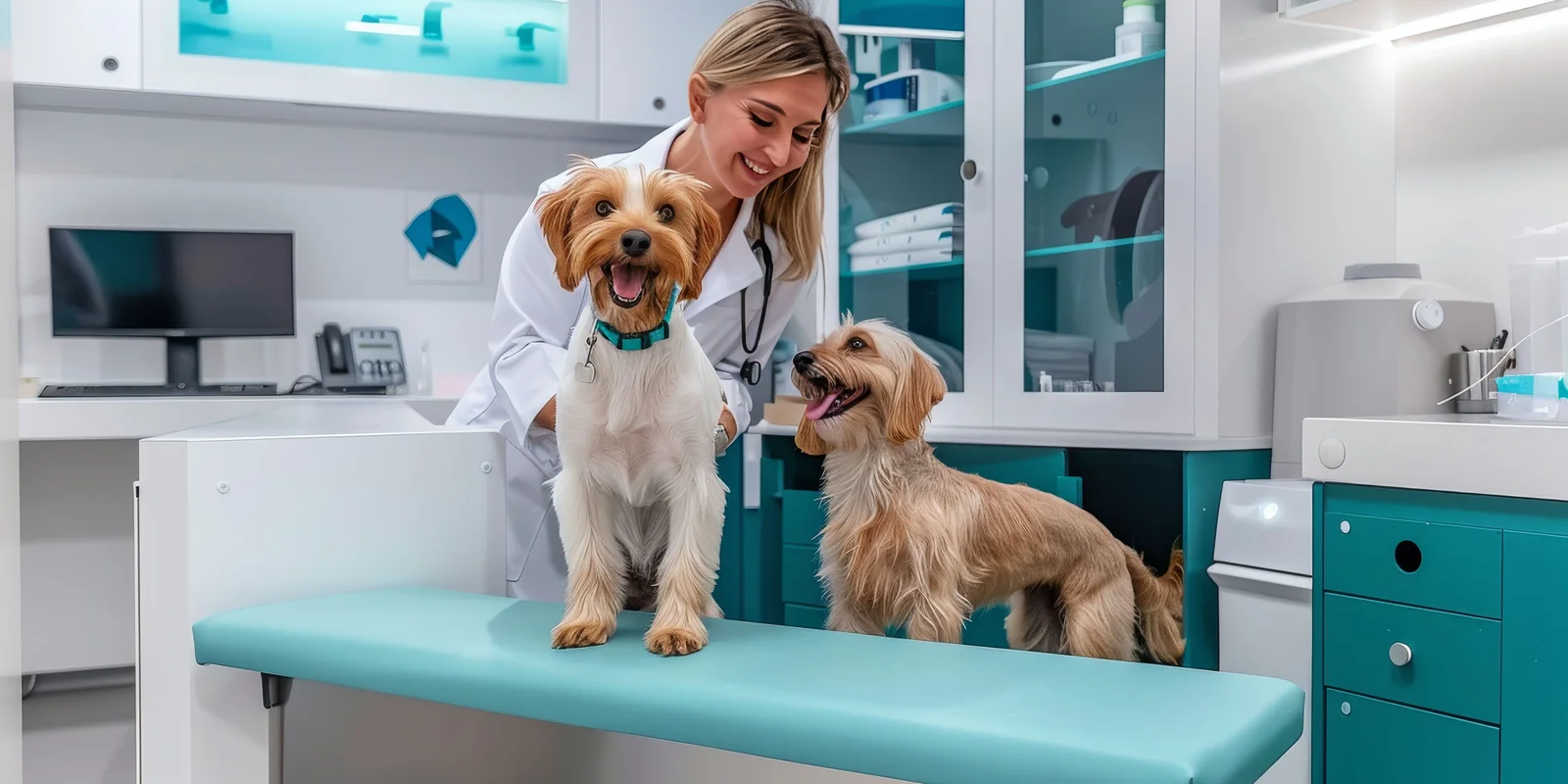
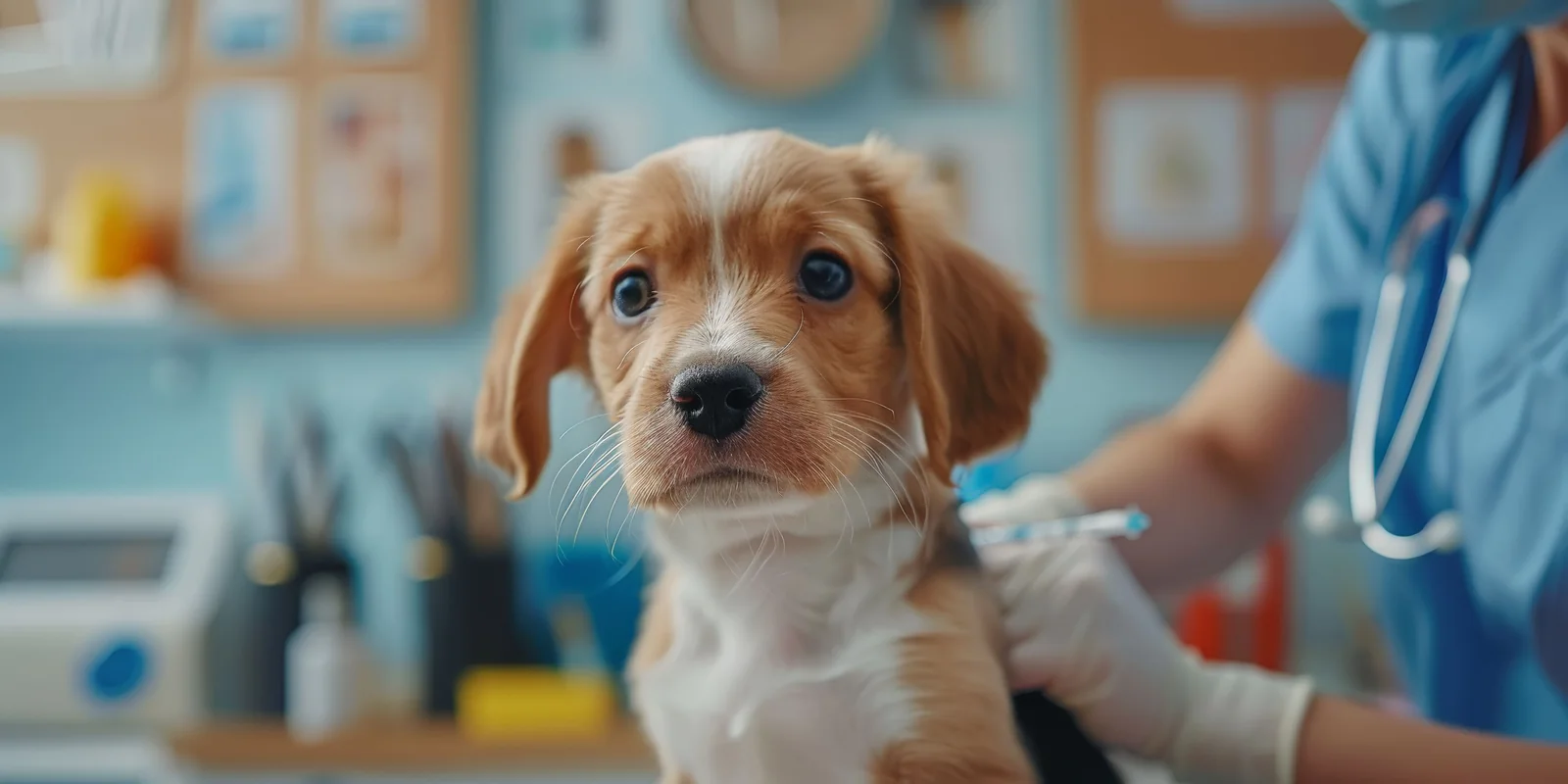
The preliminary veterinary-centre concept brings preventive, diagnostic, surgical and emergency care for companion animals together with home visits, temporary boarding, grooming, pharmacy and owner guidance. The source describes two implementation stages and a budget split between capital and initial operating needs, but location, demand, licensing, staffing and equipment remain unverified. The centre could receive referrals or provide visits across nearby settlements, yet agglomeration-wide coverage is not evidenced. Its public-value frame is animal welfare and responsible ownership, not a claim of public-health surveillance unless formal One Health links are added.
02How the intervention works
A safe clinic separates reception, consultation, diagnostics, pharmacy, imaging, surgery, recovery, isolation, sterilisation, waste and temporary boarding according to clean, dirty and animal-flow rules. The source mentions a diagnostic laboratory, ultrasound and MRI; every modality needs a justified case volume, specialist staffing, shielding or safety requirements, service contract and referral logic. Emergency coverage requires triage, oxygen, monitoring, medicines, on-call protocols and transfer arrangements. Digital records should preserve consent, treatment, medicine use and follow-up. Grooming and retail functions must not compromise clinical hygiene or controlled pharmaceuticals.
03From concept to an operable asset
The first stage can complete design and renovation and open grooming or retail only if those functions have distinct hygiene and cash controls. The clinical stage should proceed after demand mapping, licences, recruitment and equipment selection are confirmed. Commission sterilisation, laboratory, imaging, theatre and recovery through documented validation, then run supervised cases before full hours. Define referral relationships for services that cannot be safely maintained in-house. Home visits and boarding require scheduling, infection and safeguarding protocols. Operating data on caseload, outcomes, waiting, stock and cost should guide expansion rather than headline equipment lists.
04What must be proven before commitment
Before investment, confirm the site, ownership or lease, catchment demand by service, competitor and referral map, veterinary licences, building compliance, staffing market and achievable opening hours. Reconcile the stated €309,000 total, €243,000 capital and €66,000 initial operating allocation with renovation, equipment, consumables, working capital, maintenance and taxes. MRI needs a separate utilisation, specialist, installation and lifecycle case; it should not be assumed viable from the concept alone. Decision-makers also need pricing and access policy, medicine governance, biomedical waste, animal welfare, professional liability, data protection and downside cash flow.
05Where a partner can create value
The centre needs licensed veterinarians covering general medicine, surgery, anaesthesia, imaging and emergency triage, supported by trained technicians and animal-care staff. A clinical-design partner should understand infection zoning, sterilisation, oxygen, imaging safety and animal handling. Equipment suppliers must provide installation qualification, training, maintenance, uptime and consumables. Useful partners include diagnostic laboratories, referral specialists, shelters, responsible-owner organisations, universities and mobile-care providers. A business operator should manage appointments, stock, pharmacy controls and transparent pricing while preserving clinical independence; investors should value sustainable staffing and service quality over impressive but underused equipment.