01The system behind the project
Pokrovskyi District recorded 2,028 water-main breaks in 2024, while the source reports more than 4,561 breaks across 2022–2024 amid worn networks, power interruptions, ground movement and post-dam water stress. The proposal replaces 4 kilometres of failure-prone pipe and adds surge control and monitoring for 124,000 residents. This is a targeted district intervention, not renewal of the entire system. Its agglomeration value lies in proving a repeatable hydraulic-resilience method; the formal initiator and service geography remain those stated by the source.
02How the intervention works
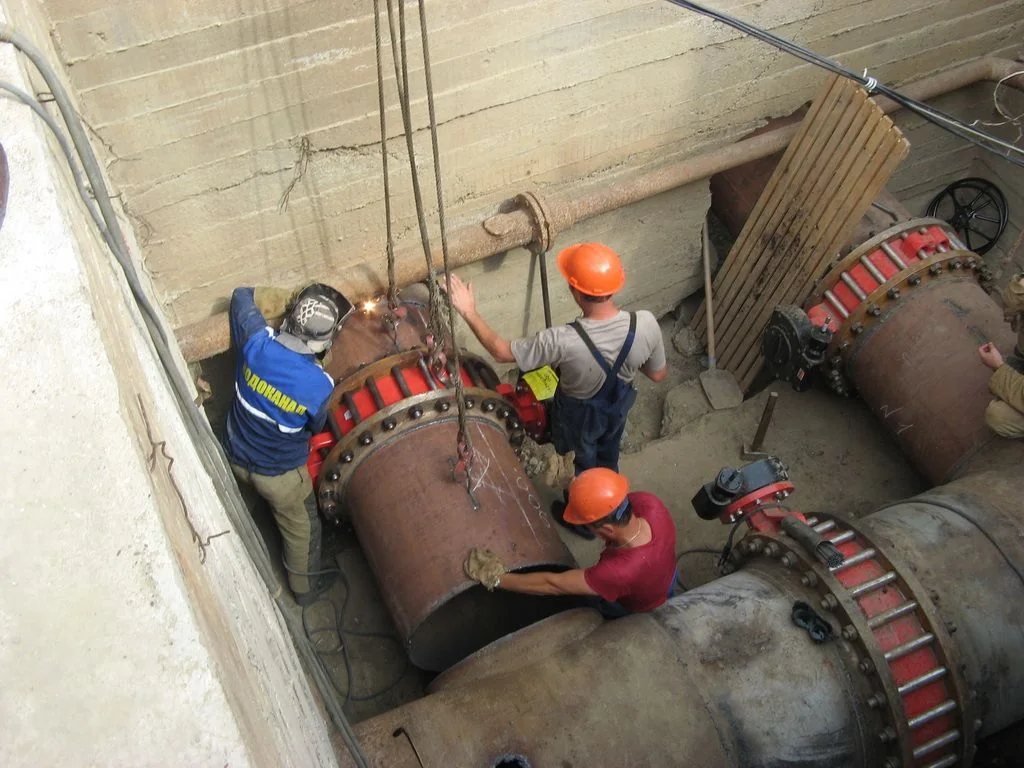
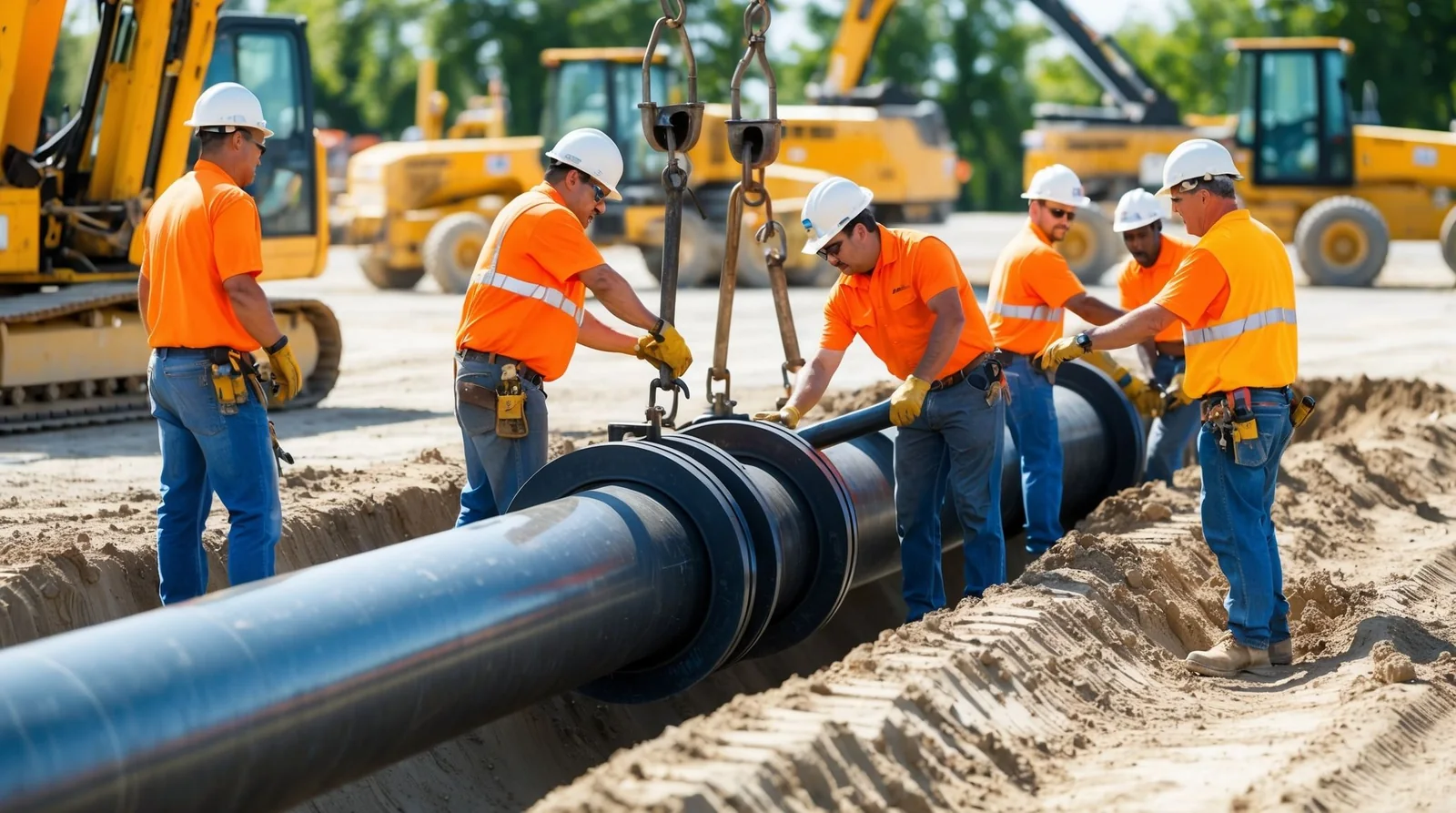
The solution combines polyethylene pipe replacement, appropriately selected pressure class and joints, isolation and surge-relief valves, air management, district metering and GIS-linked pressure and flow sensors. A calibrated transient model should locate pressure extremes during pump trips, blackouts, restart and valve movements. Telemetry identifies bursts and abnormal consumption, while controlled pressure zones reduce mechanical stress and pumping demand. Backup power may support defined controls and communications, but is not automatically implied for all pumps. Pipe design, valve timing, sensor placement and operator procedures must be engineered together rather than purchased as independent products.
03From concept to an operable asset
Begin with failure records, pressure logging, night-flow measurement and hydraulic model calibration, then confirm the 4-kilometre priority alignment. Complete design, utility surveys and temporary supply arrangements before sectional replacement. Pressure-test, disinfect and sample every section before reconnection. Install sensors and surge devices early enough to capture baseline and commissioning events. Simulated power-loss and restart tests should verify pressure envelopes and operator responses. After handover, compare breaks, losses, energy and service interruptions with a defined baseline over a representative period. Evidence, not assumed percentage reductions, should determine replication across other zones.
04What must be proven before commitment
Before financing, confirm break locations and causes, pipe material and condition, pressure zones, demand, soil movement, route conflicts, land permissions and downstream capacity. Validate source forecasts of 1.177 million cubic metres of water saved, 30 percent fewer failures, 2,600 MWh energy reduction and €194,000 annual savings using reconciled units, baselines, tariffs and attribution rules. Review hydraulic-transient calculations, materials, water-quality protocol, outage plan, telemetry cybersecurity, maintenance and calibration. The source also states a simple payback; decision-makers need full CAPEX, OPEX, contingency and sensitivity to demand, energy price and slower failure reduction.
05Where a partner can create value
The project needs water-network hydraulic engineers, transient specialists, polyethylene-pipe contractors, valve and telemetry integrators, GIS analysts and accredited water-quality laboratories. Contractors must demonstrate live-network isolation, fusion-joint quality, pressure testing, disinfection and road reinstatement. Sensor providers should offer open interfaces, calibration, cybersecurity and local support. Operators must co-design alarm thresholds, valve procedures and blackout restart drills. An independent verifier should separate real leakage, apparent loss, weather and demand effects. Financing and technical partners should support a measured pilot-to-scale model rather than treating four kilometres as proof of citywide or agglomeration-wide renewal.